
A beard transplant is a minimally invasive surgical procedure that uses Follicular Unit Extraction (FUE) to permanently restore and enhance your beard. Healthy hair follicles are individually harvested from a donor area - typically the back or sides of the scalp - where hair density is greatest and the characteristics closely match facial hair.
Those harvested follicles are then implanted into the beard area with precise control over angle, direction, and depth, so each transplanted hair follows the natural growth pattern of your beard. Whether you're addressing a patchy beard, sparse areas, scarring from a previous injury or surgery, or simply want a fuller, more defined beard, a transplant offers a permanent solution.
Because the procedure uses your own living hair follicles, the transplanted hairs grow, thicken, and behave exactly like the rest of your beard - and they last a lifetime. No synthetic implants, no ongoing treatments, no maintenance beyond normal grooming.
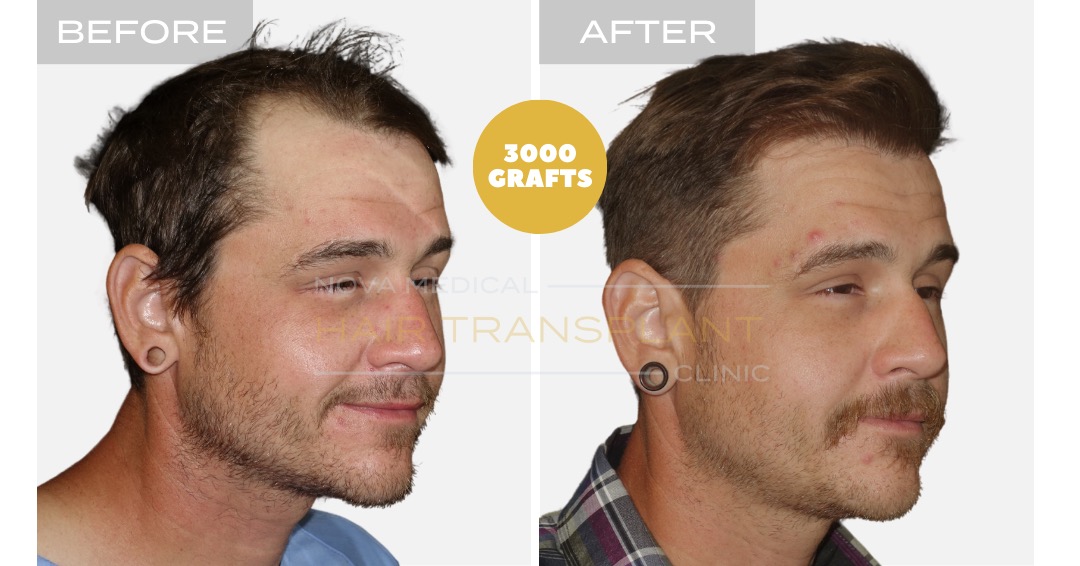
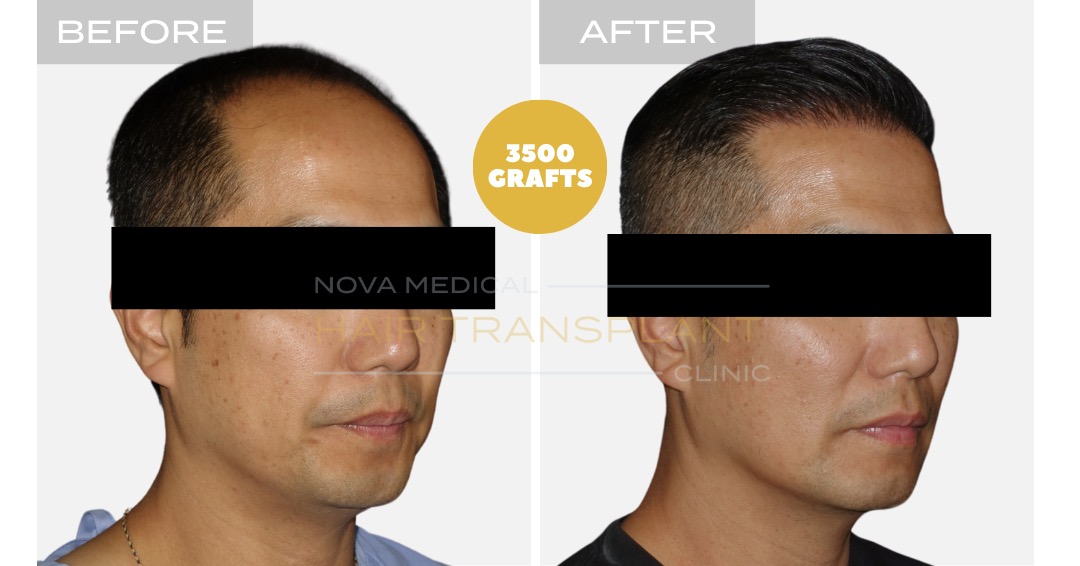
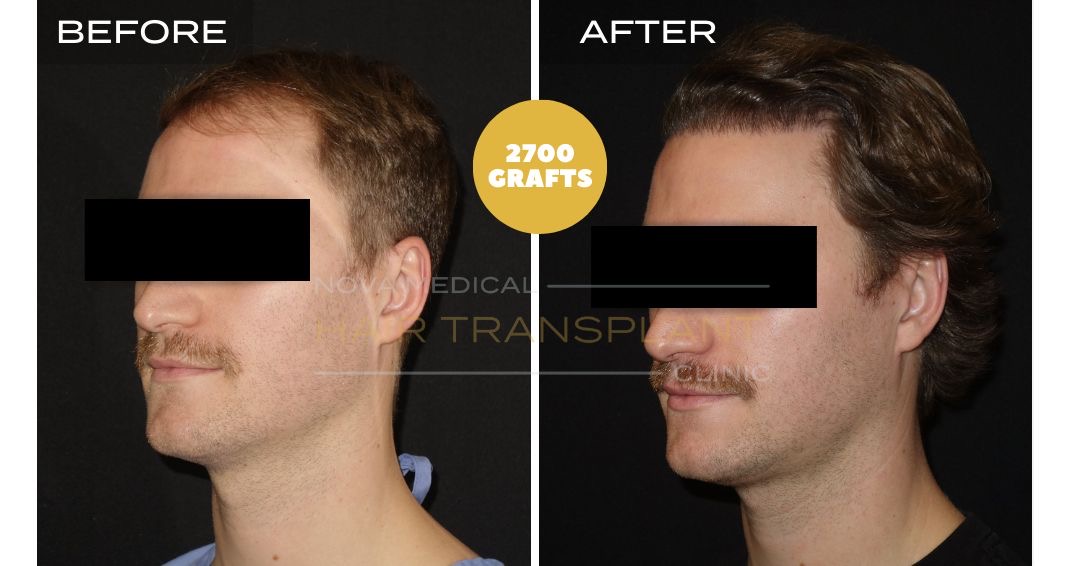
Meet with our specialist to discuss your goals, assess your donor area, and design your ideal beard shape together.
The donor area at the back of the scalp is cleansed, trimmed, and prepared. Local anesthesia ensures complete comfort.
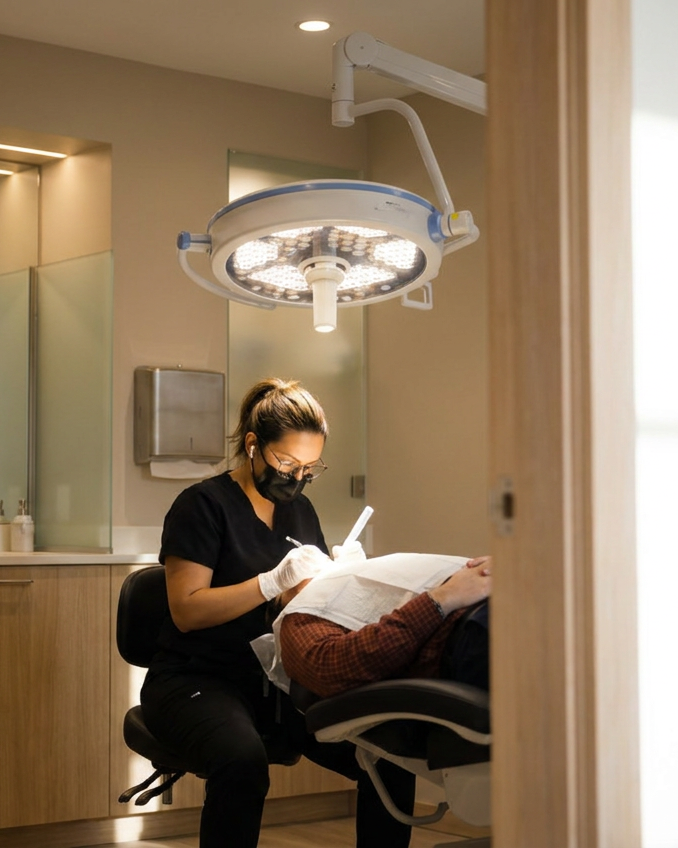
Individual follicular units are precisely extracted one by one using a micro-punch tool, leaving no linear scar.
Each graft is implanted at the exact angle and direction matching your natural beard for seamless, undetectable results.
Transplanted hairs shed and regrow into a permanent, full beard over the coming months of aftercare.
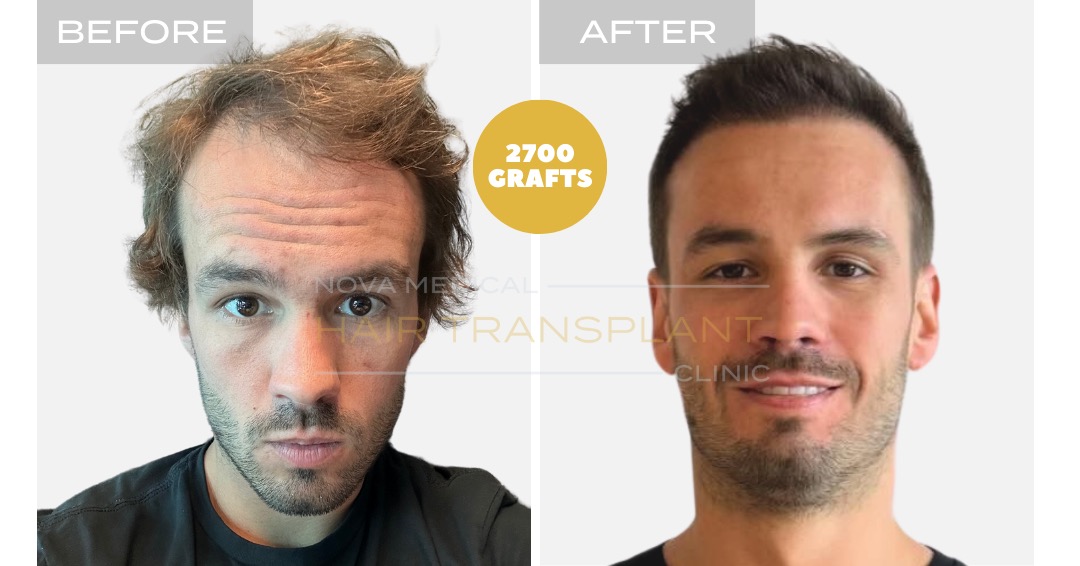
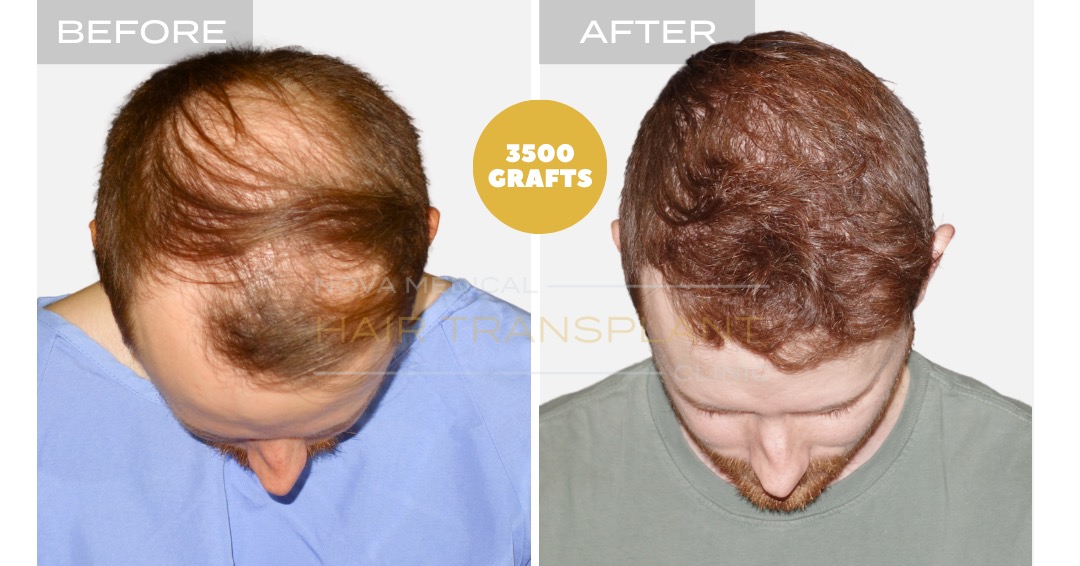
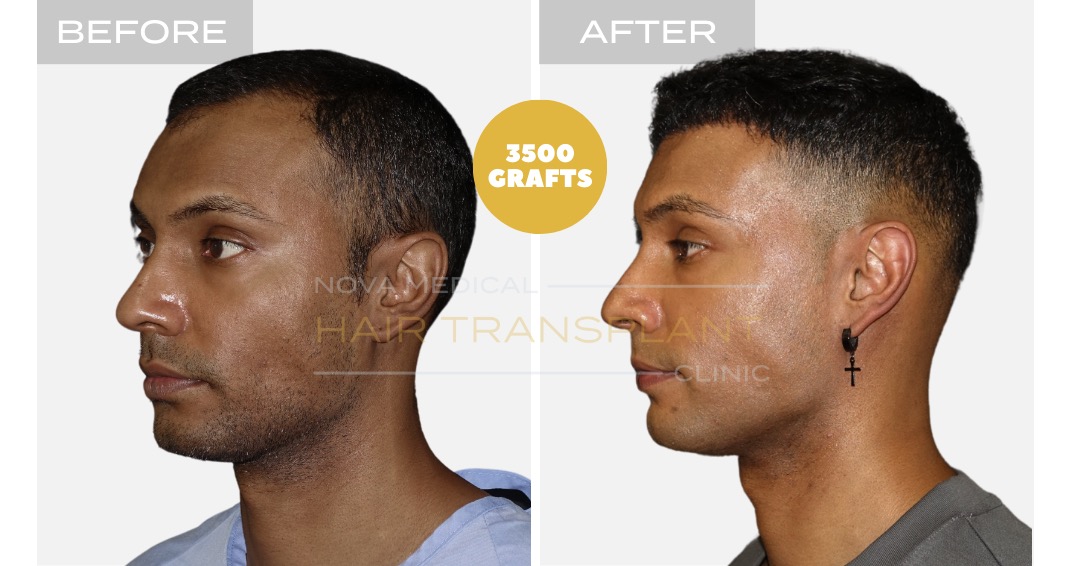
Beard transplant cost in Kentucky is based on graft count and the coverage you're after. For a full beard covering cheeks, mustache, chin, and jawline, most patients need between 1,500 and 3,500 grafts. A targeted goatee or mustache procedure may need as few as 500 to 800 grafts.
Some patients want comprehensive full-beard restoration. Others just need to fill a patchy zone or sharpen a jawline. That's why a true quote has to be based on your anatomy and goals, not a generic package.
We also offer financing options to help make treatment more manageable. During your free consultation, we'll give you a precise graft estimate and cost breakdown for your case.
Natural hair is the crown you never take off.
No obligation • Same-week availability
Most beard transplants take 4 to 8 hours depending on the number of grafts required. The procedure is performed entirely under local anesthesia, so you'll feel no pain - only mild pressure at times.
Many patients watch movies or relax during the process. You can take breaks, eat, and settle in while the team works through the detailed stages of graft placement.
Our goal is to make one focused session feel comfortable and unhurried, not rushed.
Our surgeons are experienced in treating every region of the face where beard hair grows or is desired. Whether you need comprehensive full-beard restoration or targeted work in a specific zone, we tailor each procedure to your anatomy and goals.
Every patient's journey is unique. Here are the most common reasons men in Kentucky seek beard transplantation.
Genetics play a major role in beard growth patterns. Many men carry genes that result in uneven or thin facial hair regardless of age. A transplant fills in those gaps permanently.
Accidents, surgery, burns, or skin conditions can leave scars in the beard area where hair no longer grows. Transplantation restores hair to these regions, covering scars naturally.
Some men are simply unable to grow a full beard due to hormonal factors, medical conditions, or hereditary traits. A transplant provides a permanent solution.
Even men with reasonably good beard growth may want greater density, sharper definition, or a more sculpted shape and cleaner beard lines.
If you're ready to improve beard density, fill patchy areas, or create a sharper facial hair pattern, book a private consultation with our Kentucky team. We'll evaluate your donor supply, talk through your goals, and build a plan around the look you want.
No obligation • Same-week availability
Your beard transplant begins with a consultation focused on facial structure, beard style goals, donor quality, and the pattern you want to create. Facial hair transplantation is often ideal for patients with:
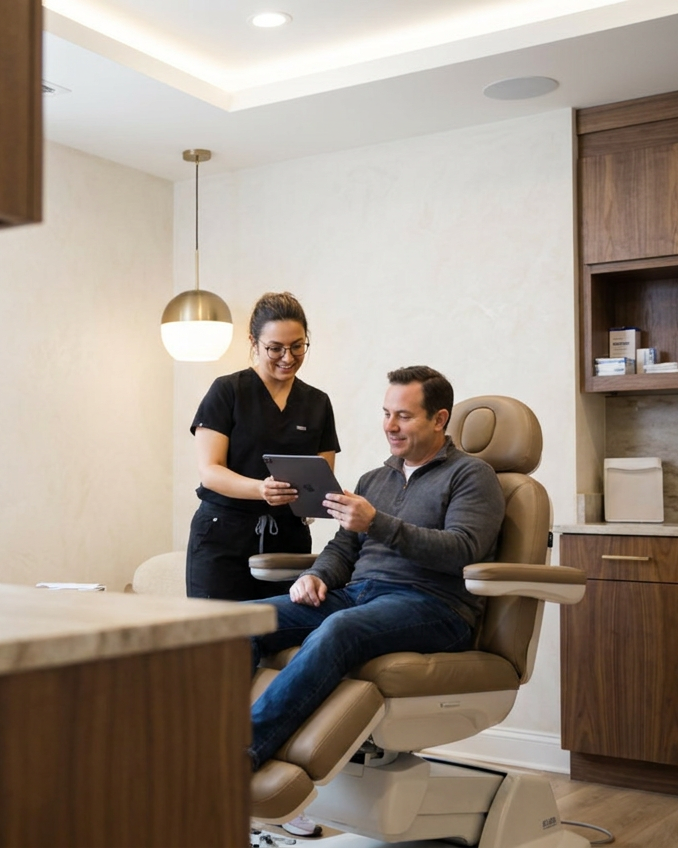
During planning, we examine the donor area to assess graft quality and availability, then build a surgical plan around facial balance, natural growth direction, and the fullness you want.
A natural beard transplant depends on restraint and precision. Facial hair sits front and center, so angle, spacing, and direction are more noticeable than many patients expect.
Our approach is built around facial balance. Each graft is placed to suit your jawline, lip line, cheek pattern, and the type of beard you actually want to wear.
The goal is not an artificial wall of density. It is a beard that grows in naturally, looks believable at conversational distance, and can be shaped however you choose.
That attention to detail is what makes beard restoration at Nova Medical Hair Transplant Kentucky feel premium rather than overdone.
We review your medical history, current medications, and any health conditions that could affect surgery or healing before your procedure.
Avoid alcohol, NSAIDs, and certain supplements in the week before surgery to reduce bleeding risk and support a cleaner procedure day.
If medication is prescribed before or after treatment, you'll receive clear instructions on how and when to use it.
You return home the same day. Mild swelling, redness, and small scabs in the recipient area are completely normal and expected.
Most patients are comfortable returning to work and social activities, following our post-care guidelines.
The donor area typically heals within this window. Redness and early scabbing continue to settle.
Transplanted hairs shed - this is entirely normal and expected, part of the natural growth cycle.
New growth begins to come in, often looking uneven at first before thickening over time.
Significant improvement is visible, with density and coverage continuing to build.
Full, permanent results are typically achieved. Your new beard can be shaved, trimmed, and styled just like natural hair.
The procedure is performed under local anesthesia, so you remain comfortable throughout. Most beard transplants take 4 to 8 hours depending on the number of grafts required - many patients watch movies or relax during the process.
One reason beard transplantation is so appealing is the relatively short downtime. Many patients return to work or their normal routine quickly after the procedure.
Some redness, swelling, and early scabbing are expected, but for most patients the aftercare is straightforward as long as instructions are followed closely.