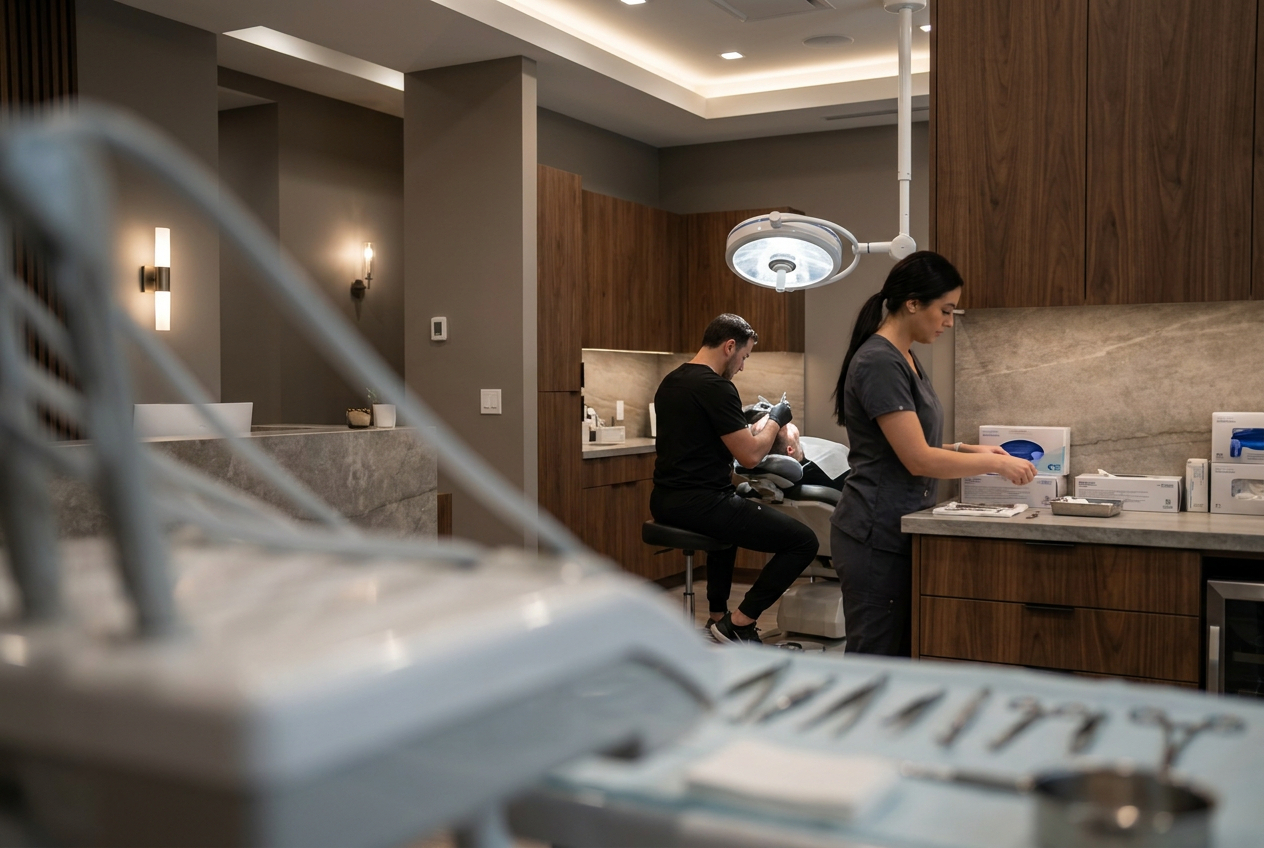
PRP treatment - short for platelet-rich plasma therapy - is a non-surgical way to address thinning hair using your own biology. A small sample of your blood is drawn, spun in a centrifuge to concentrate its platelets and growth factors, and injected into the areas of the scalp where hair is weakening.
Those concentrated growth factors are believed to support the follicles that are still active - nudging more of them into their growth phase, improving the local blood supply, and helping existing hair look thicker and healthier over a series of sessions.
Because PRP uses plasma drawn from your own body, it is autologous: nothing foreign is introduced, which keeps the safety profile favorable when the treatment is performed by trained medical providers. There are no incisions, no stitches, and virtually no downtime.
For many Kentucky patients, PRP is a first step - a way to protect and strengthen the hair they still have before deciding on surgery, or a complement to a FUE hair transplant. It is not a cure, and results depend on the type and stage of hair loss, but in the right candidate it can be a valuable part of a long-term plan. We serve Louisville, Lexington, Bowling Green, Owensboro, and communities across the state.
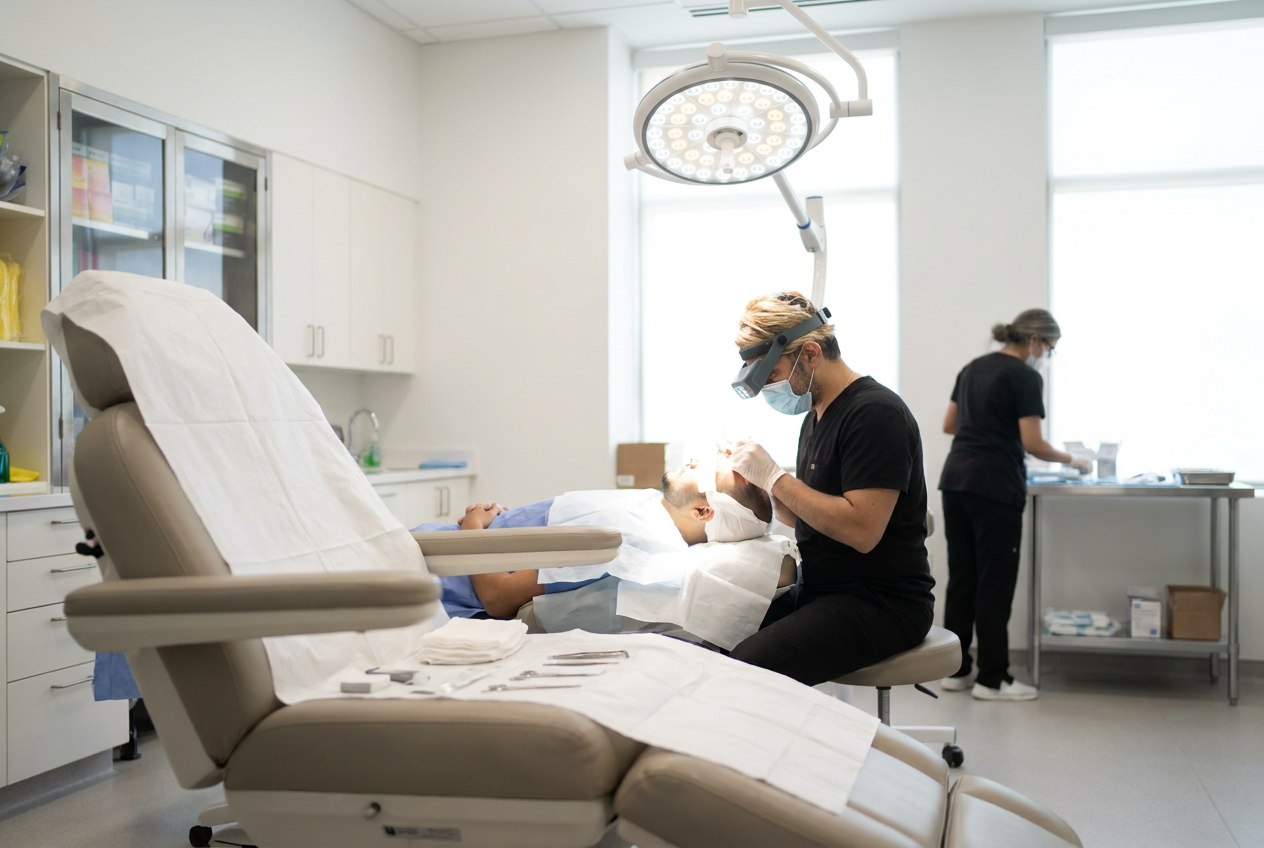
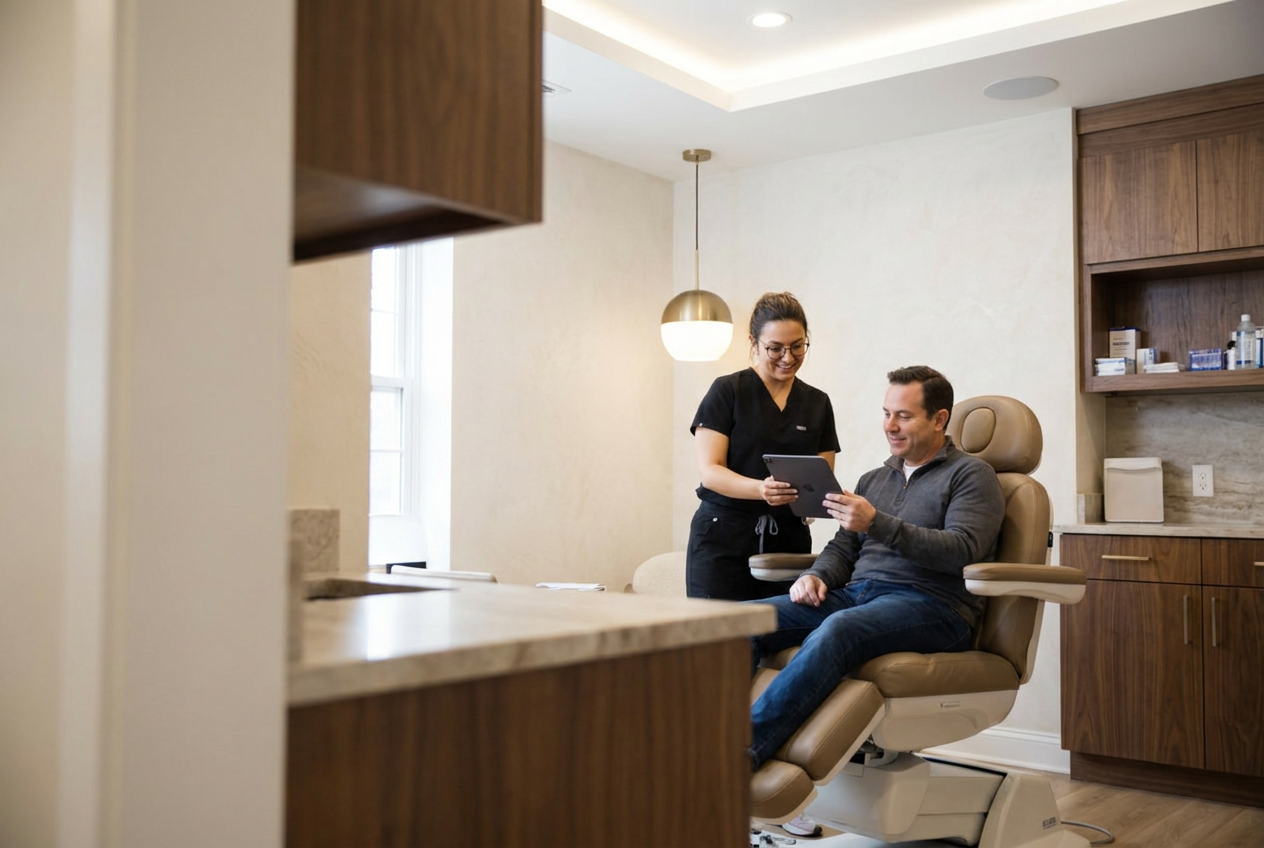
A physician reviews your hair-loss pattern, medical history, and the health of your follicles to confirm whether PRP is the right fit - and whether it is best used alone or alongside another treatment.
A small sample of your blood is drawn from your arm, exactly like a routine lab test. This is the only material used - PRP is made entirely from your own plasma.
The sample is spun in a centrifuge to separate and concentrate the platelets and growth factors, producing the platelet-rich plasma used for treatment.
After optional numbing, the plasma is injected just below the surface across the thinning zones, delivering growth factors directly to the follicles that need support.
Most plans begin with a short series of sessions spaced weeks apart, followed by periodic maintenance to sustain results as your hair responds over time.
The cost of PRP treatment in Kentucky depends on how many sessions your plan calls for and whether PRP is used on its own or as part of a broader restoration strategy. Because it is a series rather than a one-time procedure, pricing is built around your goals.
Some patients pursue PRP as a stand-alone maintenance therapy for early thinning. Others add it to a surgical plan such as FUT or FUE. During your consultation we will explain what a realistic schedule looks like and what the investment involves.
We also offer financing to make treatment more manageable. You can review our full hair transplant pricing and financing options, and we will give you a clear, itemized quote - no pressure, no hidden fees.
Support the hair you have before you lose more.
No obligation • Same-week availability
A single PRP session in Kentucky usually takes about 30 to 60 minutes from blood draw to final injection. It is an in-office visit with no general anesthesia, so you are awake and comfortable the entire time.
Because there are no incisions and no stitches, most patients walk out and return to their normal day right away. That convenience is one of the main reasons people choose PRP - it fits around work and family without the recovery of a surgical procedure.
Your plan will typically involve a short series of these visits spaced several weeks apart, followed by occasional maintenance sessions to keep your results going.
PRP tends to work best when there are still active follicles to support - which makes early to moderate thinning the sweet spot. It is a strong option for patients who want a non-surgical approach or a way to strengthen the hair around a transplant.
A non-surgical way to support your follicles - built entirely from your own blood.
No incisions, no stitches, and no scarring. PRP is delivered through fine injections, making it one of the least invasive hair-loss treatments available.
PRP is autologous - made only from your own plasma. There is no foreign material, which keeps the risk of an allergic reaction very low.
Most patients head straight back to work and daily life the same day, with only brief, mild tenderness at the treated areas.
The concentrated growth factors in PRP are designed to nourish weakening follicles, helping existing hair look denser and healthier over time.
PRP pairs naturally with an FUE or FUT transplant, supporting the surrounding native hair as part of a complete plan.
Each visit takes roughly 30 to 60 minutes, making PRP easy to schedule around work and family without a lengthy recovery.
PRP is not one-size-fits-all. How well it helps depends on why you are losing hair, which is exactly what we assess before recommending it. It tends to be most useful in these situations:
Because PRP relies on living follicles, it cannot regrow hair in areas that are fully bald. For those regions, a transplant is usually the better answer - and we will tell you honestly which path fits your goals. You can also read our comparison of hair transplant vs. PRP.
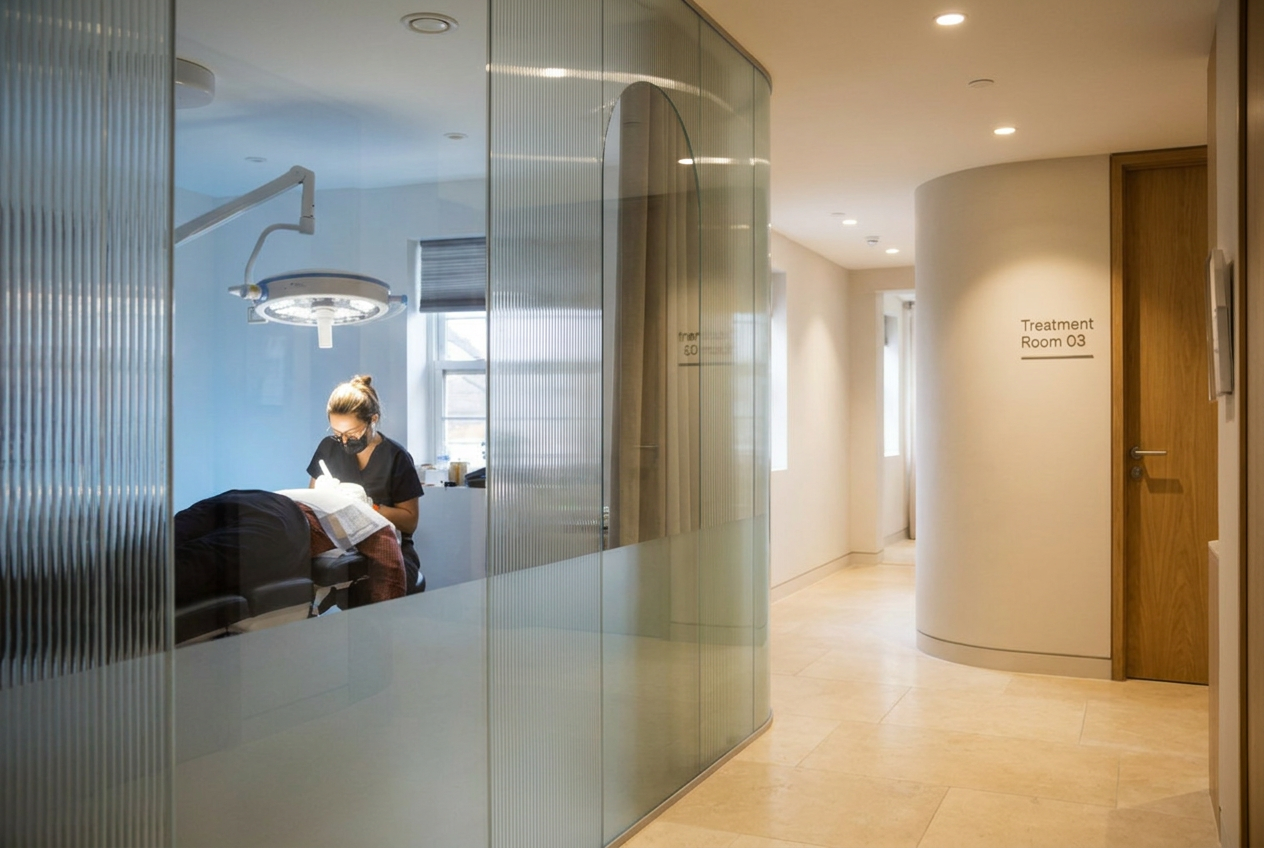
PRP is only as good as the assessment behind it. Our physicians start by identifying why you are losing hair, then tell you honestly whether PRP is likely to help - rather than selling a package to everyone who walks in.
At Nova Medical Hair Transplant in Kentucky, PRP is prepared and delivered under medical supervision, with attention to concentration, technique, and comfort. If PRP is right for you, we build a realistic session schedule around your response and goals.
As part of a premium multi-location brand, our clinic pairs local access with the depth of a broader surgical team and a consistent standard of care - the same philosophy behind the Nova Protocol™.
Because we offer the full range of restoration options - from PRP to surgical hair transplants - your plan is built around you, not forced into a single procedure. Book a private consultation to find out where PRP fits.
Drink plenty of water and have a normal meal before your visit. Being well hydrated and fed makes the blood draw easier and helps you feel your best.
Avoid anti-inflammatory medication, blood thinners, and alcohol beforehand unless your doctor advises otherwise, since these can affect platelets. We will give you specific guidance.
Come with clean hair and skip heavy styling products on the day of treatment. There is nothing else to prepare - most patients simply return to their day afterward.
A 30-60 minute visit. Expect brief tenderness, mild redness, or slight tightness at the injection sites, which usually settles quickly.
Avoid intense exercise, saunas, and harsh hair products. Most patients feel completely normal by the next day.
Some patients notice reduced shedding first. This is often the earliest sign the follicles are responding.
As the initial series completes, responders often see gradual improvements in thickness and density. Results build slowly rather than overnight.
Maintenance sessions help sustain your results over time, since PRP supports the follicles rather than permanently changing them.
One of the biggest advantages of PRP is how little it disrupts your life. There is no surgical wound to care for and, for most patients, no meaningful downtime - you can usually drive yourself home and return to work the same day.
Mild tenderness or redness at the injection sites is normal and typically fades within a day or two. We will give you simple aftercare instructions, such as briefly avoiding intense workouts and harsh products.
Just remember that PRP is a gradual, cumulative therapy. The best outcomes come from completing the recommended series and keeping up with maintenance - not from a single session. Results vary from person to person.
PRP and hair transplantation solve different problems. PRP is a non-surgical therapy that supports and strengthens the follicles you still have - ideal for early thinning and ongoing maintenance. It does not create new hair where follicles are gone.
A hair transplant physically relocates your own permanent follicles into thinning or bald areas for lasting, visible density. If your hair loss is more advanced, an FUE or FUT transplant is usually the more effective route - and PRP can play a supporting role alongside it.
Many patients do best with a combined plan: a transplant to rebuild what has been lost, and PRP to help protect the surrounding native hair. During your free consultation we will map out the right mix for your goals, and you can compare options in our results gallery and PRP vs. transplant guide.