
Follicular Unit Transplantation is a strip-harvest technique built for one thing: efficient graft yield. When graft numbers matter, density is the goal, or keeping your hair a bit longer is important, FUT is often the more strategic option.
Our Kentucky team plans FUT in three stages. First, a narrow strip of donor tissue comes from the back of the scalp, where hair is usually strongest and most stable. Second, that strip is divided under magnification into individual follicular units - a process that preserves graft quality from start to finish. Third, each unit is placed into designed recipient sites that follow your natural hair direction, spacing, and density.
The tradeoff is a thin linear scar in the donor area - one our surgeons close with a trichophytic technique so hair grows through and over the line, keeping it easy to conceal at normal lengths.
For patients across Louisville, Lexington, and the rest of Kentucky who need meaningful density in a single session, FUT is designed for a permanent result planned with precision, not guesswork.
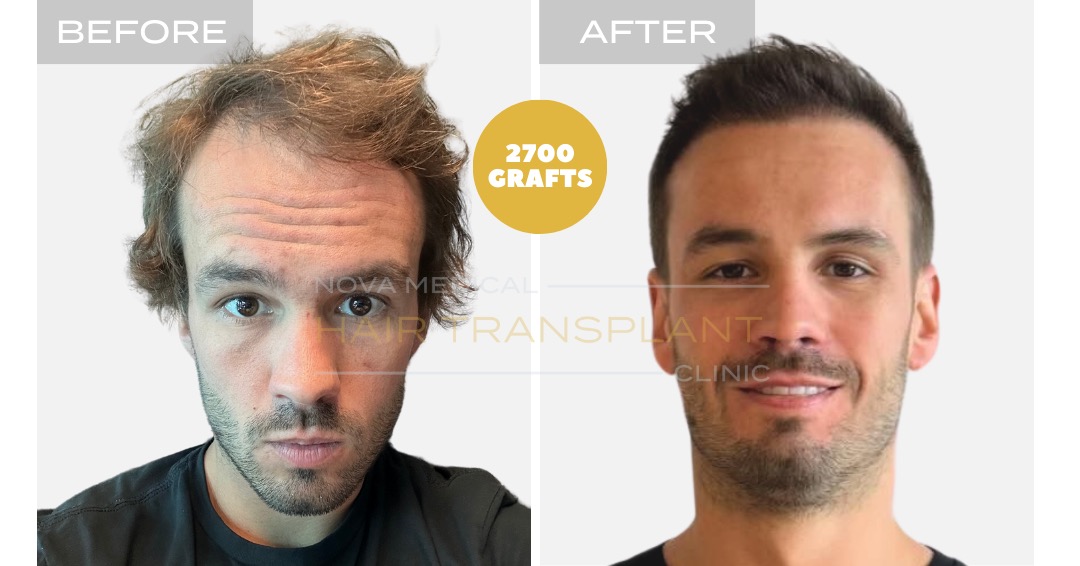
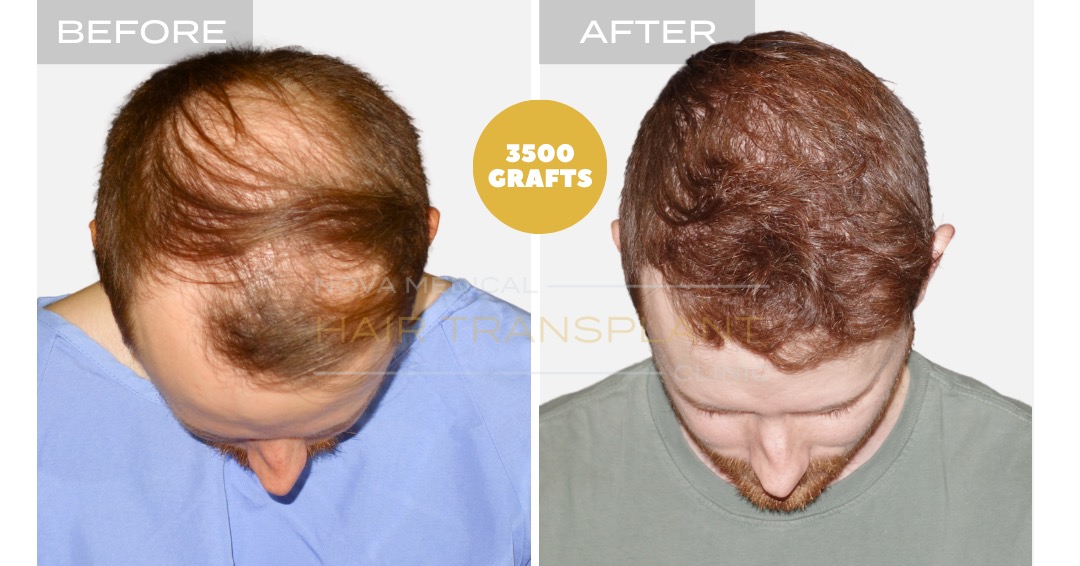
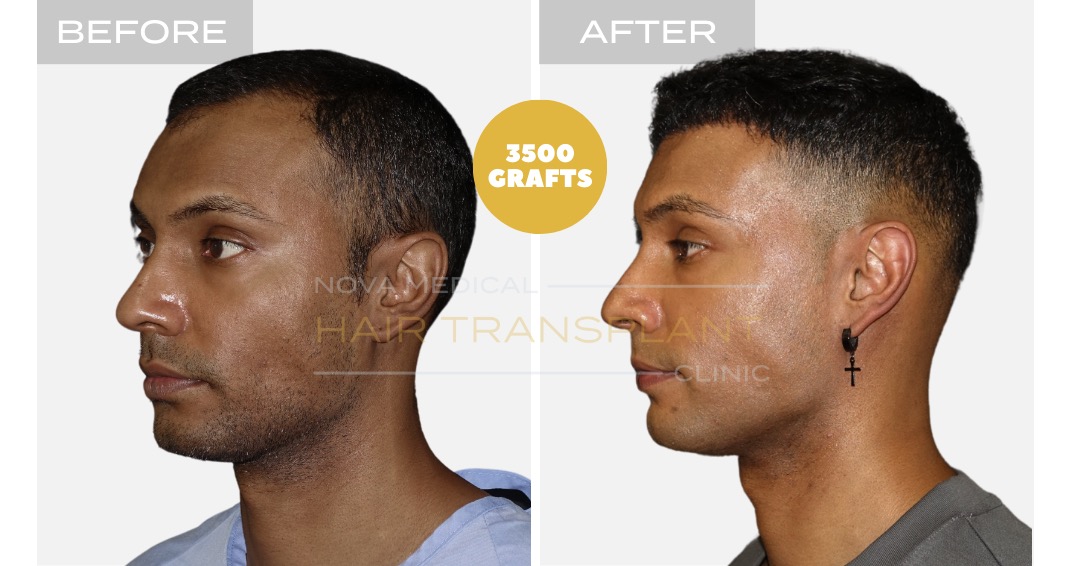
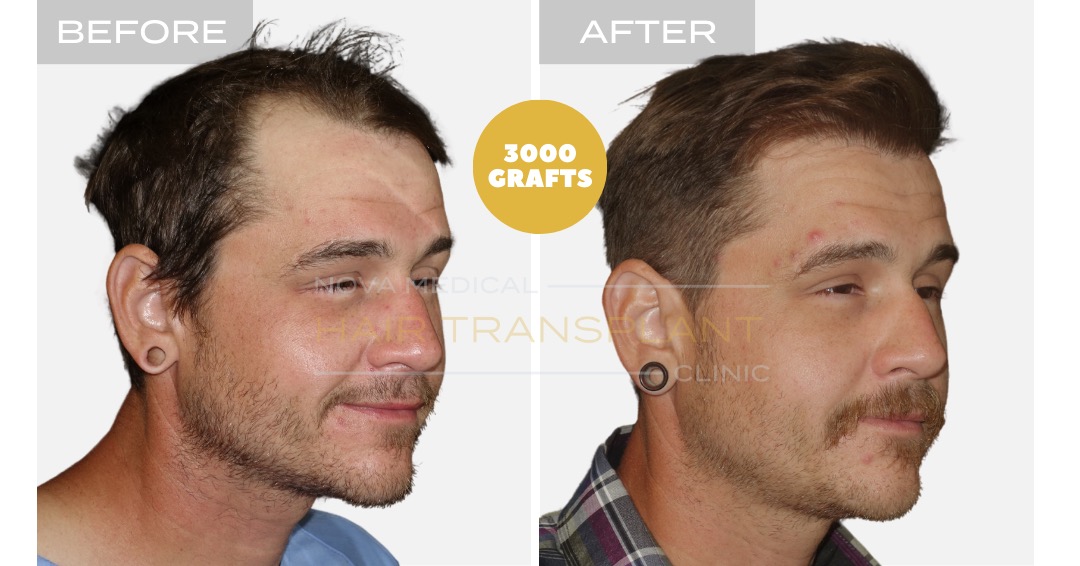
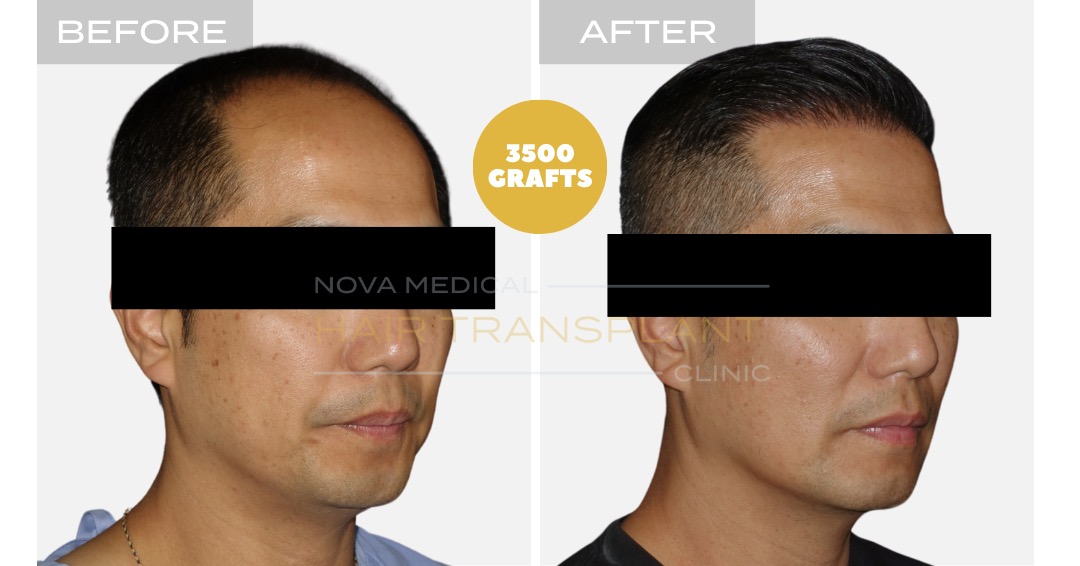
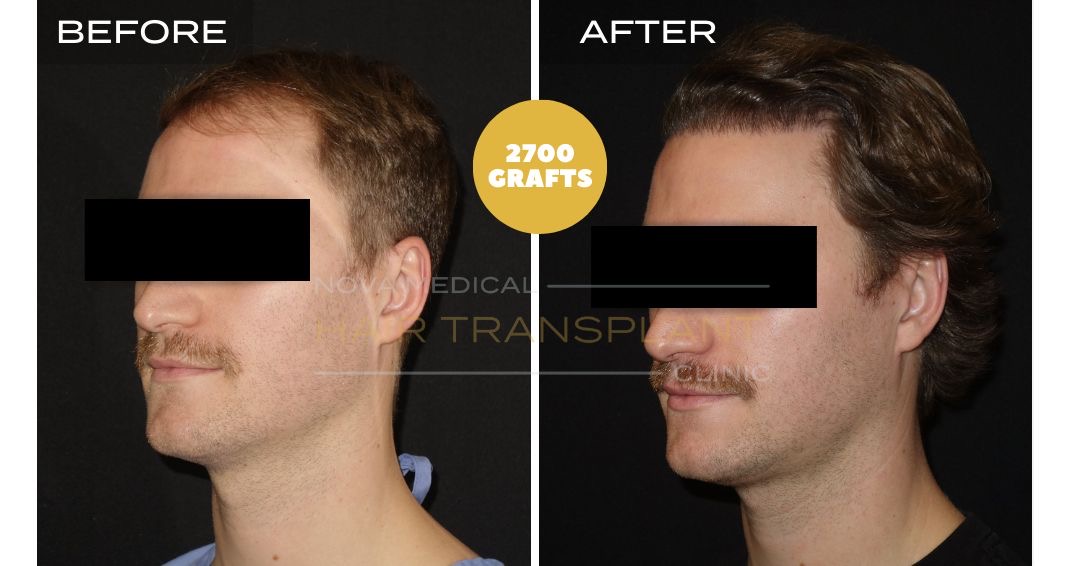
A comprehensive assessment of your hair loss stage, donor density, scalp laxity, and candidacy for FUT, with a graft estimate for your case.
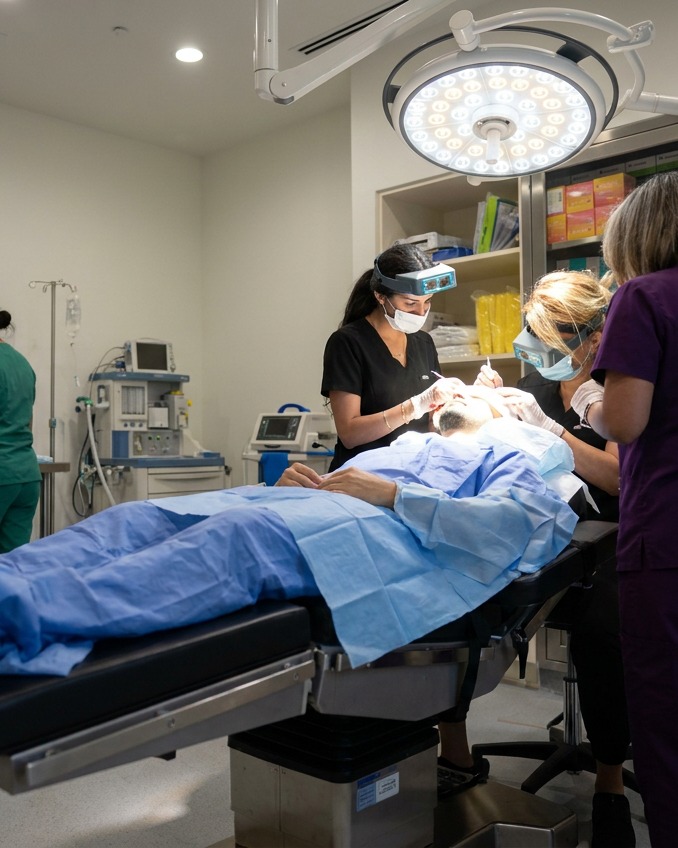
Under local anesthesia, a precisely measured strip is removed from the permanent donor zone. The incision is closed with trichophytic sutures to minimize scarring.
A dedicated team dissects each follicular unit under microscopic magnification, separating grafts of 1, 2, 3, and 4 hairs for precise placement.
Recipient sites are created at custom angles and densities to recreate natural growth, with grafts placed for maximum survival and aesthetics.
Transplanted hairs shed at 2–4 weeks, new growth emerges from 3–4 months, with final results visible at 12–18 months.
FUT cost in Kentucky is based on the number of grafts required to achieve your restoration goals. Every plan is customized to your unique hair loss pattern and coverage needs.
FUT consistently offers a lower cost per graft compared to FUE, since a single strip harvest can yield thousands of grafts in one session - making it the more economical choice for patients needing extensive coverage.
Our free assessment includes a full graft estimate and pricing breakdown, with no obligation. Financing is available from $95 bi-weekly.
Natural hair is the crown you never take off.
No obligation • Same-week availability
A typical FUT procedure takes between 6 and 8 hours, though large sessions of 4,000 or more grafts may require up to 10 hours in a single sitting.
You'll be comfortable throughout under local anesthesia - watch a movie, listen to music, or rest. Breaks are provided throughout the day, and most patients return home the same day as their procedure.
Our goal is to make one long, efficient session feel manageable, not exhausting.
FUT is not for everyone - but for the right patient, it delivers density that no other technique can match in a single session. FUT tends to be the superior choice for:
FUT is not simply restoration - it's meaningful density in a strategic single session.
Often 3,000 to 5,000+ grafts harvested in a single session - the highest volume of any technique, ideal for advanced hair loss stages.
A lower cost per graft compared to FUE, making comprehensive restoration more accessible for patients needing extensive coverage.
For Norwood 5–7 patients requiring large-scale restoration, FUT's superior graft volume makes it the procedure of choice for dramatic transformations.
Refined over more than two decades of clinical practice, with extensive long-term data confirming permanent, reliable results.
Microscopically dissected follicular units placed at precise angles and densities produce hairlines and coverage that are completely natural.
Achieve your full restoration goal in one comprehensive procedure, reducing total downtime versus multiple surgical visits.
FUT leaves a thin linear scar in the donor area at the back and sides of the scalp. For most patients, that scar is easily concealed by the surrounding hair and becomes virtually undetectable once fully healed.
Our surgeons use trichophytic closure - a specialized suturing method that allows hair to grow through and over the scar line, softening its appearance from the moment healing begins.
Patients who keep their hair at a guard 3 length or longer typically find the scar completely hidden in everyday life, even in shorter styles worn a few weeks after healing.
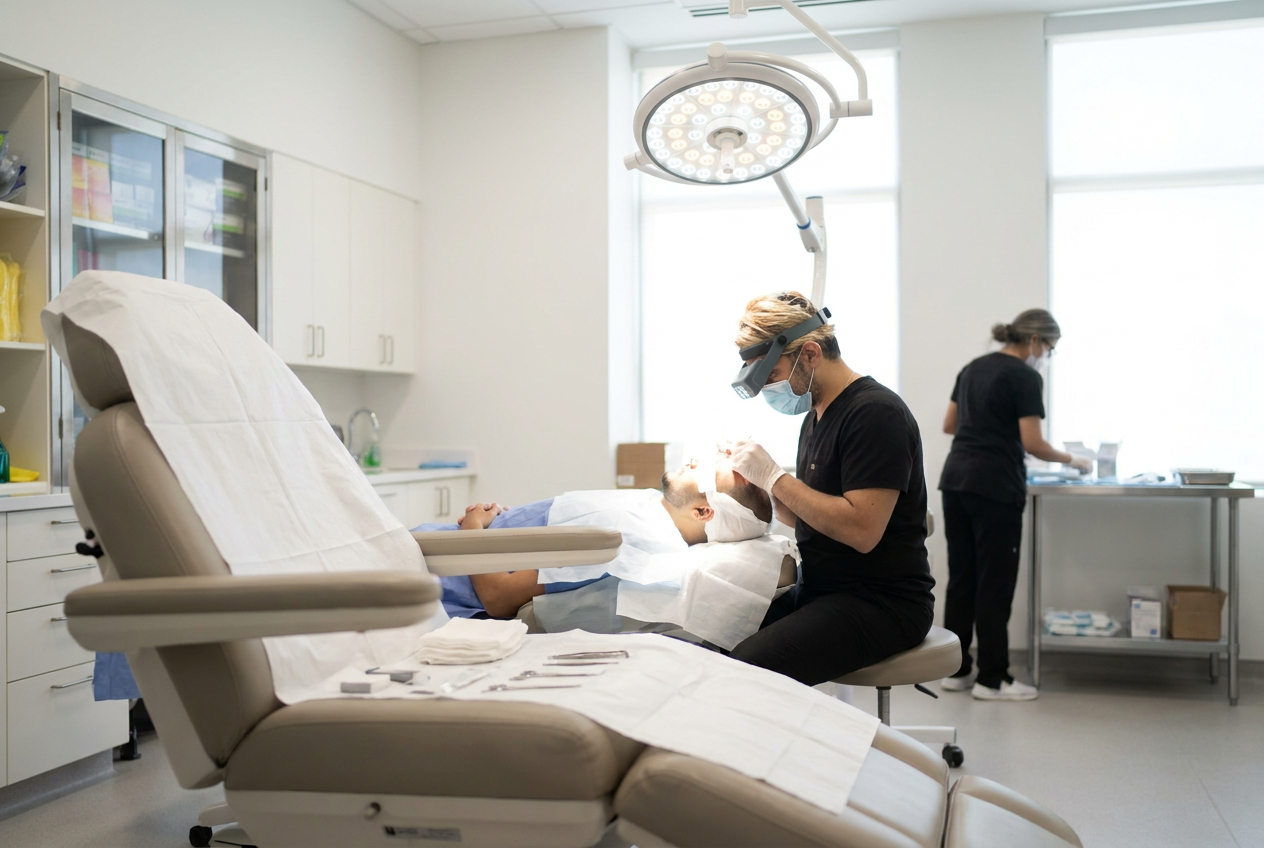
FUT remains highly relevant because it solves a different problem than FUE. It is not about being newer or lighter - it is about harvesting efficiently when density, donor conservation, and case scale are the real priorities.
At Nova Medical Hair Transplant in Kentucky, our focus is on discreet, natural work regardless of technique. That means careful consultations, realistic planning, and surgical execution that respects your donor supply and long-term appearance.
As part of a premium multi-location brand, our clinic combines local access with a broader depth of experience and systems built around consistency, detail, and patient trust.
For the right patient, FUT is not a compromise - it's the smarter procedure. If you're looking for meaningful density in a strategic single session, book a private consultation with our team.
Avoid medications and supplements that can increase bleeding unless your doctor tells you otherwise. We will provide specific guidance before surgery.
Smoking and alcohol can interfere with circulation and healing, so they should be limited or stopped in the lead-up to treatment.
Wash your hair thoroughly on the morning of the procedure unless instructed otherwise. A clean scalp helps set up the day well.
You leave the clinic with the grafts in place, a closed donor incision, and detailed post-op instructions. Swelling and tightness across the donor line are normal.
Swelling may peak in the forehead and scalp during this window. The donor area is the primary source of discomfort, managed with prescribed medication.
Most patients feel well enough for light daily activity. Scabbing on the recipient area begins to shed as you resume gentle washing.
Sutures are removed at your follow-up visit. The donor line continues to settle and is typically well concealed by surrounding hair.
Transplanted hairs enter a shedding phase. This is completely normal and part of the expected growth cycle.
New growth becomes visible, with significant density improvement building through this window.
Final results are fully realized, with mature density, texture, and softness through the hairline.
Most patients take 7 to 14 days off work following FUT. Swelling and mild discomfort in the donor and recipient areas are common during the first week and are managed with prescribed medications.
The donor incision is closed with trichophytic sutures, removed at the 10–14 day mark. Unlike FUE's scattered dot marks, FUT recovery centers on one healing line rather than hundreds of small extraction sites.
For most patients, the aftercare is straightforward as long as instructions are followed closely, and the donor scar becomes easy to conceal once hair grows back over it.