
Follicular Unit Extraction works one graft at a time. Instead of removing a strip of scalp, your surgeon lifts individual follicles directly from a dense donor zone, leaving nothing behind but a scatter of pinpoint marks that fade within days.
Our Kentucky team treats every case as a design problem first and a surgical one second. Graft placement is mapped around your existing growth pattern, your age, and the direction your hair naturally falls - not a generic template applied to every patient who walks in.
Extraction happens under local anesthesia with a fine punch tool, one follicle at a time, so the donor area heals cleanly with no long incision to hide. Each unit is kept viable in a cooled holding solution until it's ready to be set into its new position.
What separates a strong result from an average one is what happens next: the angle, depth, and spacing of every single graft as it's placed. Get that right and the outcome reads as hair that was simply always there - which is exactly what patients across Louisville, Lexington, and the rest of the state are usually hoping for.
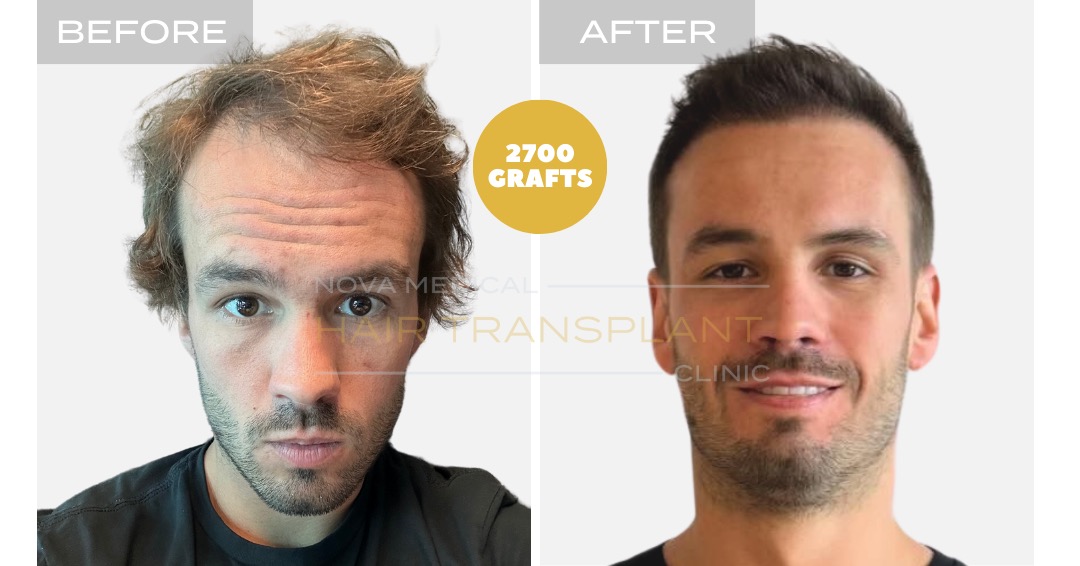
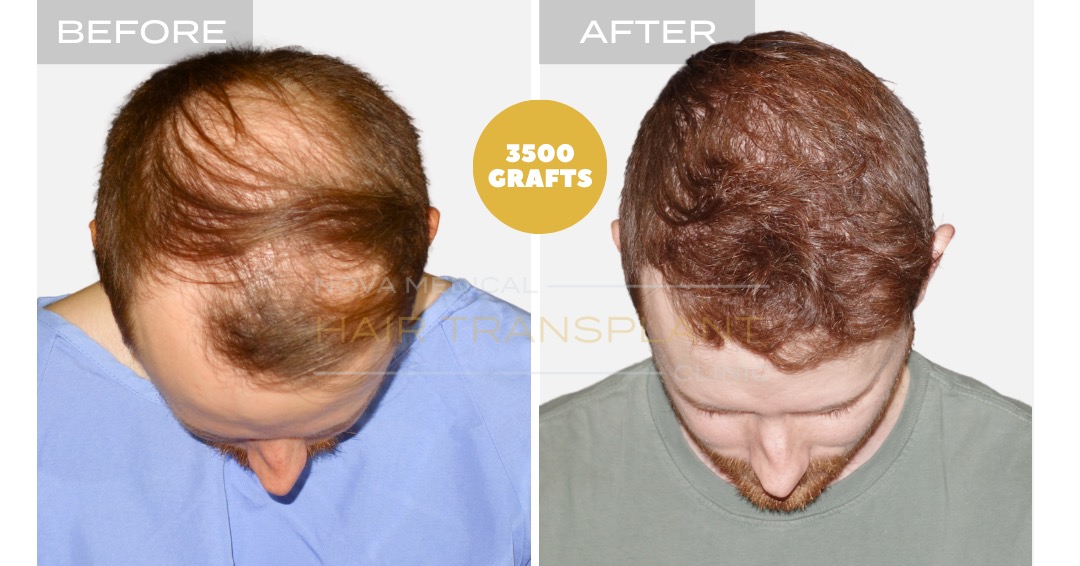
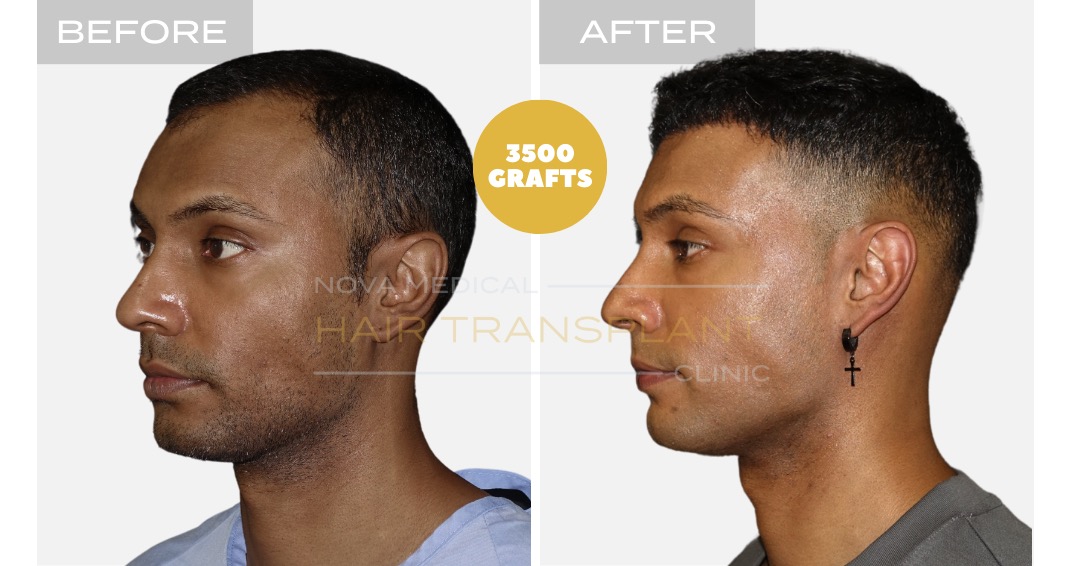
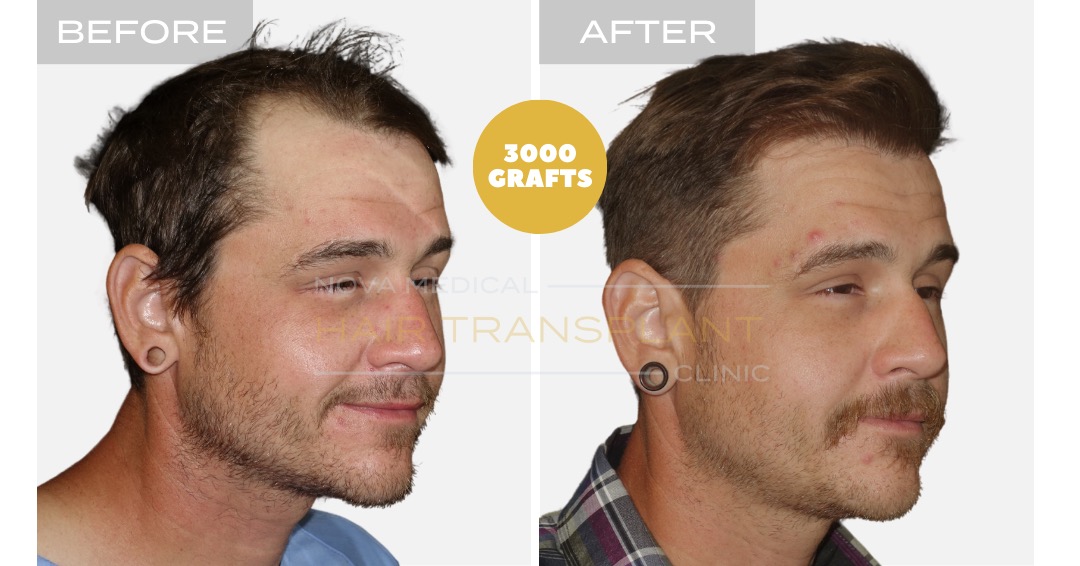
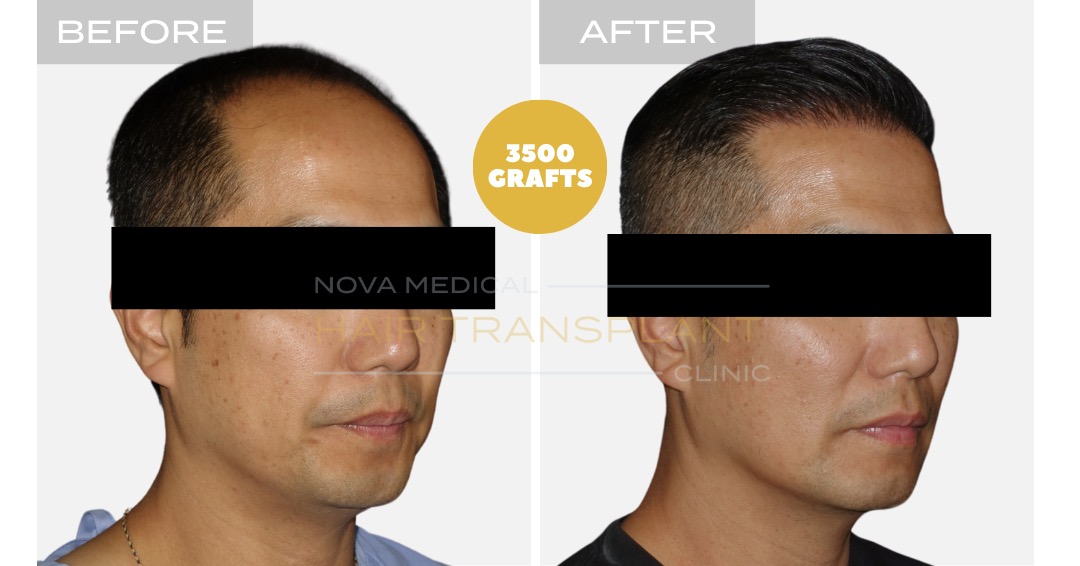
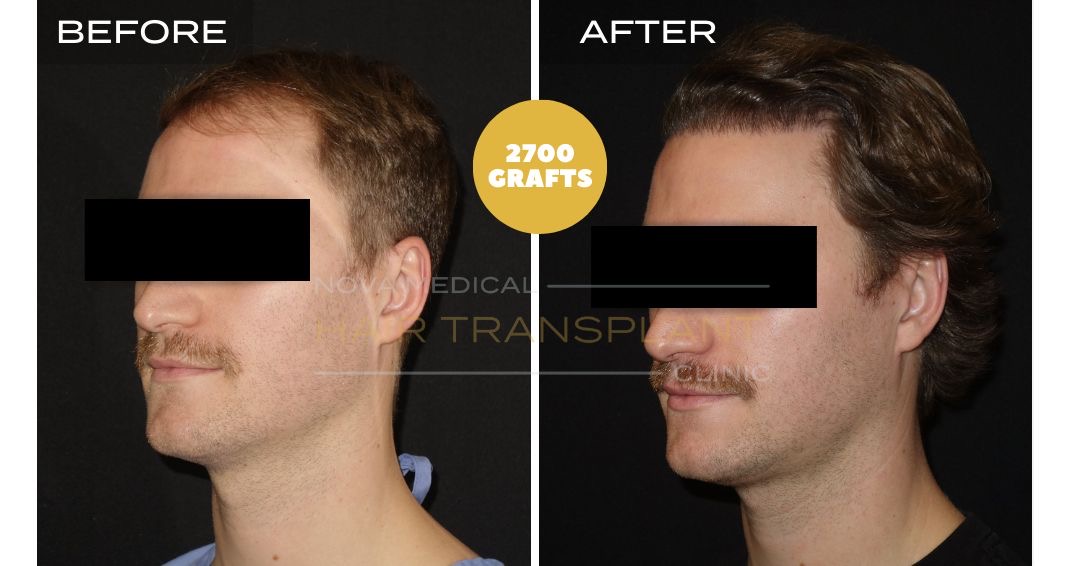
Our board-certified specialists assess your hair loss pattern, donor density, and scalp health to design your personalized treatment plan.
Together, we map your natural hairline using artistic precision and facial proportion analysis, ensuring results that look authentically yours.
Individual follicular units are extracted from the donor zone under local anesthesia. The area heals within days with no visible scarring.
Each harvested graft is placed into tiny recipient sites at precise angles and depths, recreating the natural growth pattern.
Initial shedding occurs in weeks 2–4, followed by permanent regrowth beginning around month 4, with final results by 12–18 months.
FUE cost in Kentucky is customized to the surgical plan. The main factors are graft count, hairline design, density goals, donor strength, and whether you have had prior procedures.
Some patients need focused hairline refinement. Others need broader coverage through the front, mid-scalp, or crown. That is why a true quote has to be based on your anatomy and goals, not a generic package.
We also offer financing options to help make treatment more manageable. During your consultation, we will walk you through what is realistic, what is worth doing now, and what the investment looks like based on your case.
Natural hair is the crown you never take off.
No obligation • Same-week availability
Most FUE procedures in Kentucky take between 4 and 10 hours, depending on the number of grafts being transplanted. A smaller refinement case moves faster. A larger density case may take most of the day.
Even though the work is detailed, the experience is usually more relaxed than patients expect. You can listen to music, watch something, take breaks, and settle in for the day while the team works methodically.
Our goal is to make the process feel private, organized, and comfortable from start to finish.
FUE is often a strong option for patients who want a minimally invasive procedure, a natural hairline, and the freedom to wear their hair short without a linear scar. It works especially well for patients with good donor hair who want to restore the hairline or fill thinning zones.
Advanced technology combined with surgical artistry delivers results that exceed expectations.
Individual follicle extraction leaves only tiny, dot-like marks that are virtually invisible - even with a close-cropped hairstyle or shaved head.
No stitches, no staples, and no extended downtime. Most patients return to desk work within 3–5 days and full activity within two weeks.
Grafts are placed in alignment with your natural hair direction and density, creating results indistinguishable from native hair growth.
Performed entirely under local anesthesia with no general sedation required. The procedure causes minimal trauma to surrounding tissue and scalp.
Transplanted follicles are genetically resistant to DHT, the hormone responsible for hair loss. Once established, they grow permanently for life.
FUE is effective for straight, wavy, curly, and coily hair textures, making it an ideal solution for patients of all ethnic backgrounds and hair types.
Patients who had older strip procedures often come in wanting one thing: to make the donor scar less visible. FUE can be an effective way to soften that line by placing healthy follicles directly into scar tissue.
Because FUE does not create a new linear scar, it is well suited for revision work. The goal is not just coverage - it is blending the area so it looks more uniform, especially when the hair is cut shorter.
At Nova Medical Hair Transplant in Kentucky, scar revision is planned carefully based on the width, texture, and condition of the scar. When done well, it can make a meaningful difference in both appearance and confidence.
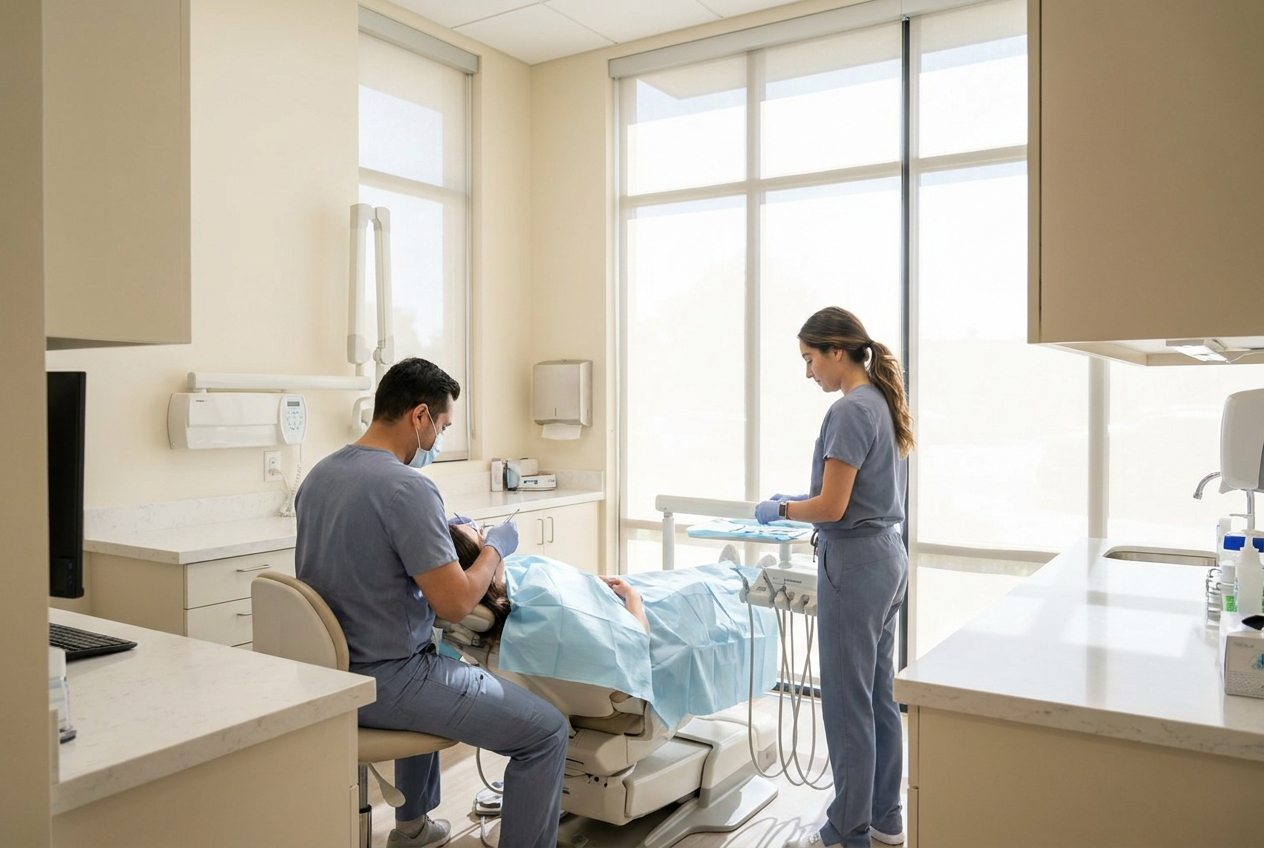
Choosing where to have a hair transplant is personal. You want a clinic that understands the difference between simply moving grafts and designing a result that looks undetectable.
At Nova Medical Hair Transplant in Kentucky, our focus is on discreet, natural work. That means careful consultations, realistic planning, and surgical execution that respects your donor supply and long-term appearance.
As part of a premium multi-location brand, our clinic combines local access with a broader depth of experience and systems built around consistency, detail, and patient trust.
We also offer a range of restoration options beyond FUE, allowing treatment plans to be built around the patient rather than forcing every case into the same procedure. If you are looking for referral-worthy care and results that do not look overdone, book a private consultation with our team.
Avoid medications and supplements that can increase bleeding unless your doctor tells you otherwise. We will provide specific guidance before surgery.
Smoking and alcohol can interfere with circulation and healing, so they should be limited or stopped in the lead-up to treatment.
Wash your hair thoroughly on the morning of the procedure unless instructed otherwise. A clean scalp helps set up the day well.
You leave the clinic with the grafts in place and detailed post-op instructions. Mild swelling, tightness, or tenderness is normal.
Most patients feel well enough for light daily activity. The donor area may still feel sore, but discomfort is usually manageable.
Swelling may peak during this window. Redness and early scabbing are expected. You begin gentle washing as instructed.
The scalp starts to settle. Most patients feel more normal by this point.
Scabs begin to shed. Light activity can continue, but higher-intensity exercise should still be avoided.
The transplanted hairs often shed. This is expected and is part of the normal growth cycle.
New hair starts to come in. Early growth may look uneven at first before thickening over time.
The result matures, with improved density, texture, and softness through the hairline.
One of the main reasons patients choose FUE is the recovery. There are no stitches from a strip incision, and most people are back to normal day-to-day activity quickly.
The donor and recipient areas form small scabs that usually heal within days. Those scabs shed naturally, and the transplanted follicles then move into a resting phase before new growth begins.
For most patients, the downtime is manageable and the aftercare is straightforward as long as instructions are followed closely.