
DHI Hair Transplant Kentucky
What DHI Means and Where It Sits Within an FUE Procedure?
At our Louisville clinic, DHI means setting grafts with an implanter pen, and the team can build it into a broader hair restoration plan whenever your scalp would benefit.
Over the years, transplant methods have become steadily finer and less invasive. Two names come up more than any others today: FUE (Follicular Unit Extraction) and DHI (Direct Hair Implantation). Both belong to modern hair restoration, yet plenty of patients are unsure whether they are two different operations or two stages of one.
DHI, short for Direct Hair Implantation, is a way of placing grafts that rests on the same foundations as FUE. A dedicated instrument, the implanter pen, sets each harvested follicle straight into the scalp, so no recipient sites need to be opened beforehand.
That makes DHI a placement step rather than a separate kind of transplant. It is used once the follicles have already been removed through FUE. Put simply, DHI lives inside an FUE procedure; it is not a rival to it and does not take its place.

Before & After Gallery
Every result shows the grafts it took and what the same plan costs. Tap one to see your plan.
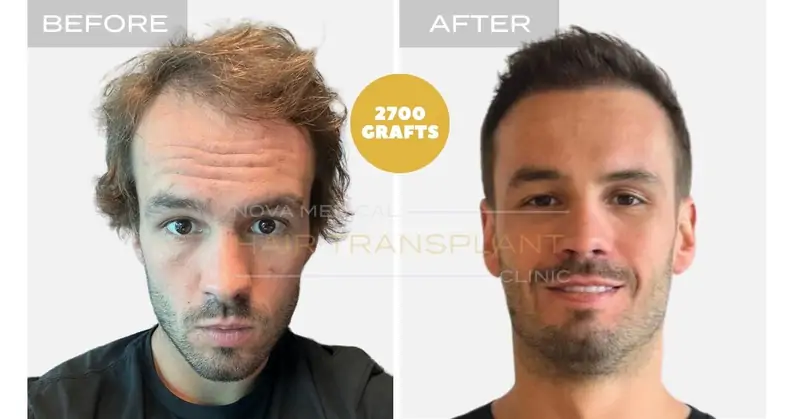
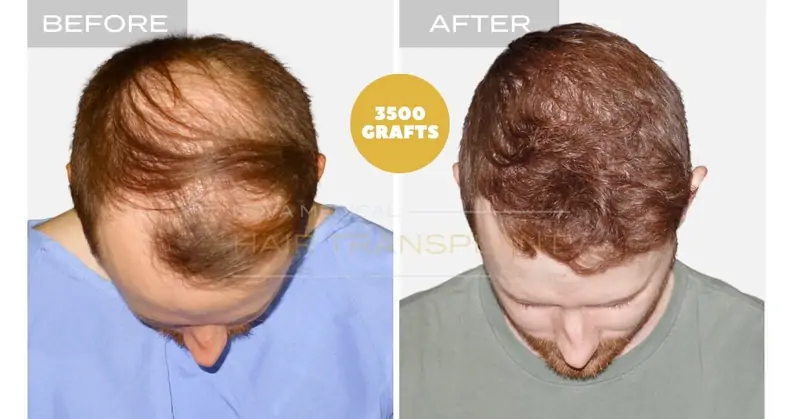
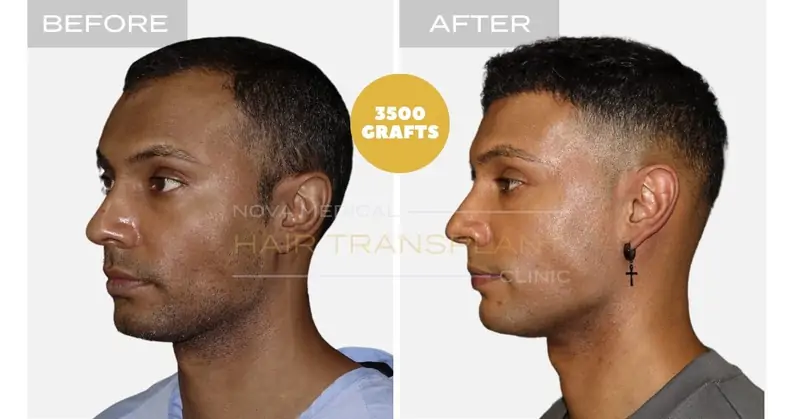
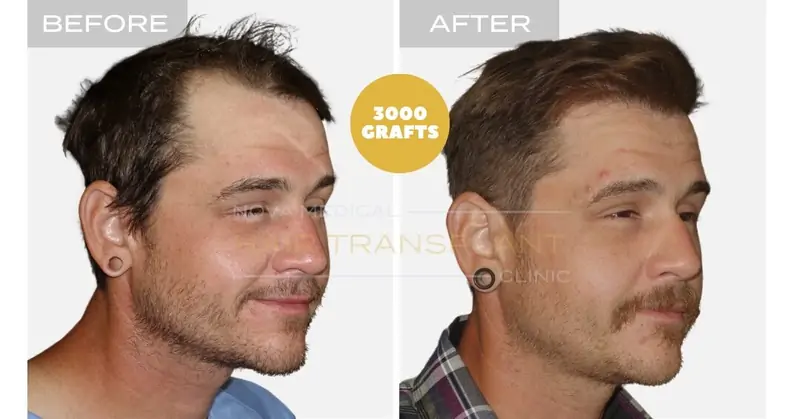
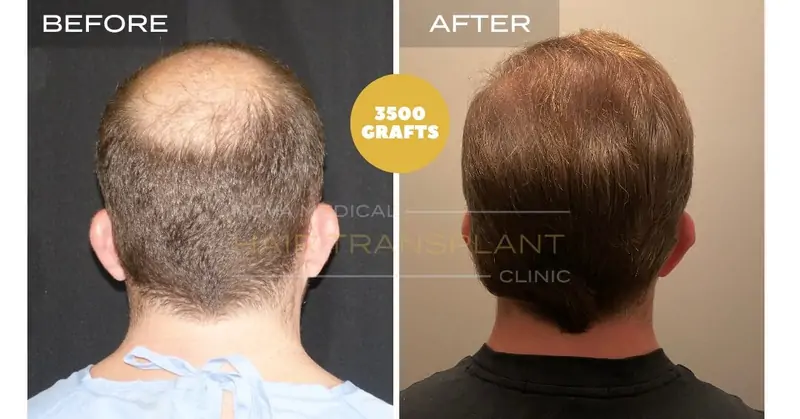
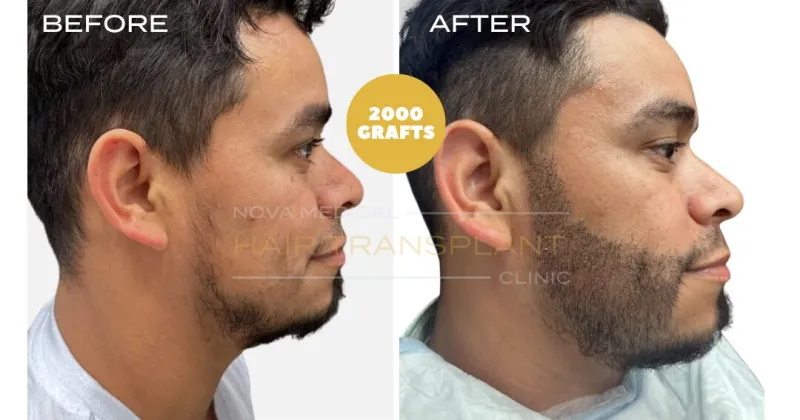
Estimates only - your exact plan and price are confirmed at your free assessment. Monthly payment options available, as low as $270/mo, subject to credit approval. Results vary and are not guaranteed.
Disclaimer: Outcome or results shown are not guaranteed and may vary from patient to patient. Cosmetic procedures are associated with possible risks and complications, always have a thorough discussion with your surgeon. Images posted with consent.
Why DHI Can Help in Kentucky
Since DHI is one placement option inside FUE, it does not change what a transplant can achieve on its own; it only changes how the grafts reach the scalp. FUE itself is the wider, more flexible approach, and it lets the team planning your case:
Choose the Placement Tool
Use the pen or manual placement where each suits best, area by area, rather than tying the entire scalp to a single instrument.
Set Angle and Density by Hand
Vary angle and spacing by hand, keeping the front edge soft and slightly uneven while zones behind it are filled more regularly.
Sessions Sized to the Job
Plan big and small sessions sensibly, saving the pen for tight areas and relying on quicker manual placement across wide ones.
Suited to Your Hair Type
Adapt the day to your hair and scalp, whether your strands are very fine or thick and wavy.
Pinpoint Donor Marks
Follicles are taken one at a time, so the back of the head shows only scattered tiny dots that fade, never a long strip wound.
Depth Set in a Single Push
One movement of the pen opens the skin and seats the graft, which helps keep placement depth steady across a compact zone.
Less Handling per Graft
After loading, a follicle is not squeezed with forceps again, which lowers the risk of crushing a delicate root.
Space Among Existing Hair
Grafts can be set between the hairs you still have, a help when the aim is extra thickness instead of complete coverage.
Brief Downtime
Many patients are fit for office work within a few days, and any redness on top usually calms down over the next week or two.
Agreed at Your Assessment
Your graft count, the tools to be used and the hairline shape are settled at consultation, so the method holds no surprises on surgery day.
How a DHI Procedure Unfolds?
The day runs in this order:
- Numbing: local anesthetic is applied to the donor and recipient zones, after which most people notice pressure, not pain.
- Harvest: follicles are removed with standard FUE tools, exactly as in any FUE case.
- Pen loading: rather than opening sites first and placing grafts afterward, each follicle is loaded into the pen.
- Placement: in one motion the pen makes the opening and sets the graft inside it.
- Final check: the completed pattern is compared with the plan Dr. Alexander Digenis signed off before surgery, and the doctor directs any small corrections on the spot.
When DHI Makes Sense in Kentucky?
The pen tends to be chosen where exact placement matters most, for instance:
- Along the front hairline, where grafts sit closest together.
- In compact sessions that call for a modest graft count.
- For very fine hair that needs especially careful positioning.
- Where grafts must be fitted among existing hairs without harming them.
- Where the donor zone can comfortably supply the number of grafts in the plan.
Ask for a Free Consultation
Free, no obligation • Appointments this week
DHI or FUE: Where Is the Real Difference?
The two differ only in how follicles go into the recipient area. Here is how DHI compares with conventional FUE placement:
- With conventional FUE: the team opens small sites across the thinning area first, then sets each harvested graft into those openings by hand with forceps.
- With DHI: the implanter pen makes the opening and places the graft in the same movement, so site making is not a separate stage.
Where DHI Falls Short Within an FUE Procedure
DHI is marketed heavily, so it helps to know its drawbacks, particularly next to standard manual FUE placement:
- Time in the chair: DHI is usually slower, and the gap grows with bigger cases. Every graft has to be loaded into the pen before it goes in, which adds time. Manual FUE placement lets grafts be set more quickly.
- Skill of the team: pen work asks a lot of the surgical team. Poor technique can harm grafts and weaken how well they take. Not every clinic has staff trained to use the pen well.
- Less suited to big sessions: for very large cases (for example 3,000 grafts or more), the pen is often not the most practical tool. Manual placement gives better command of pacing and spacing at that scale.
- Limits of the instrument: curly or coarse hair can be awkward in a pen, because those follicles do not always load cleanly or sit straight inside it.
- Harvest: follicles are removed one at a time.
- Site making: tiny openings are made in the scalp where the grafts will sit.
- Placement: grafts are set into those openings by hand.
Preparing for DHI in Louisville
A few simple steps in the weeks ahead make surgery day easier:
- When you book: give us a complete list of prescriptions, vitamins and supplements; any break from a blood thinner is arranged with the doctor who prescribes it.
- One week ahead: stop cigarettes, vapes and nicotine gum, since nicotine reduces blood supply to freshly placed grafts.
- Three days ahead: skip alcohol, new hair dye and any sprays, gels or hair fibers.
- The evening before: wash your hair normally, eat a proper dinner and aim for an early night.
- On the day: wear a shirt that opens at the front, pack a snack, and arrange for someone to drive you home from Terra Crossing Boulevard, because it is a long day.
Aftercare After DHI in Kentucky
Before you head home, the team goes over your written aftercare sheet and gives you a saline spray for the grafted zone. Sleep with your head raised for the first few nights, and keep hands, snug caps and direct shower spray off the top of your head until the team says it is fine.
The first gentle wash usually happens on day two or three, and we show you how so you can do it at home. Check-ups are spread through the first twelve months to follow your growth, and our recovery page explains what each phase tends to look like.
Questions between visits are always welcome: call (502) 591-6777 and a member of the Louisville team will talk through what you are noticing.
Free ConsultationDo DHI Results Last?
Transplanted hair is designed to stay. The grafts come from the ring of hair at the back and sides that tends to keep growing even when balding is advanced, and setting them with a pen rather than forceps does not alter that.
-
1
Donor Hair Keeps Its Character
Follicles from the donor ring respond far less to DHT, the hormone that drives pattern loss at the front and crown, and they hold on to that resistance in their new spot.
-
2
Your First Twelve Months
Most newly placed hairs shed in the first few weeks, fresh growth usually shows around month three or four, and thickness keeps improving for roughly a year. Some people progress sooner than others.
-
3
Hair That Was Not Moved
Native hair that stayed in place can still thin over the years. A hairline planned for the face you will have later, together with medical treatment for existing hair where it fits, helps the overall look stay balanced.
-
4
Everyday Habits
A balanced diet, good sleep, a hat or sunscreen on the scalp in strong sun and staying away from tobacco all help the grafts and the hair beside them.
-
5
Regular Reviews
An annual visit gives the team a chance to spot fresh thinning early and adjust your plan before anyone else can see it.
Why Patients Pick Nova Medical for DHI in Kentucky
Overseen by Dr. Alexander Digenis
Every DHI plan at our Louisville clinic is designed and checked by Dr. Alexander Digenis, a board-certified plastic surgeon, and carried out under supervision by a surgical team dedicated to hair restoration.
Pen or Forceps, Zone by Zone
Implanter pens, fine forceps and magnifying loupes are all available, and the tool is chosen for each part of the scalp instead of once for the whole head.
A Hairline You Shape With Us
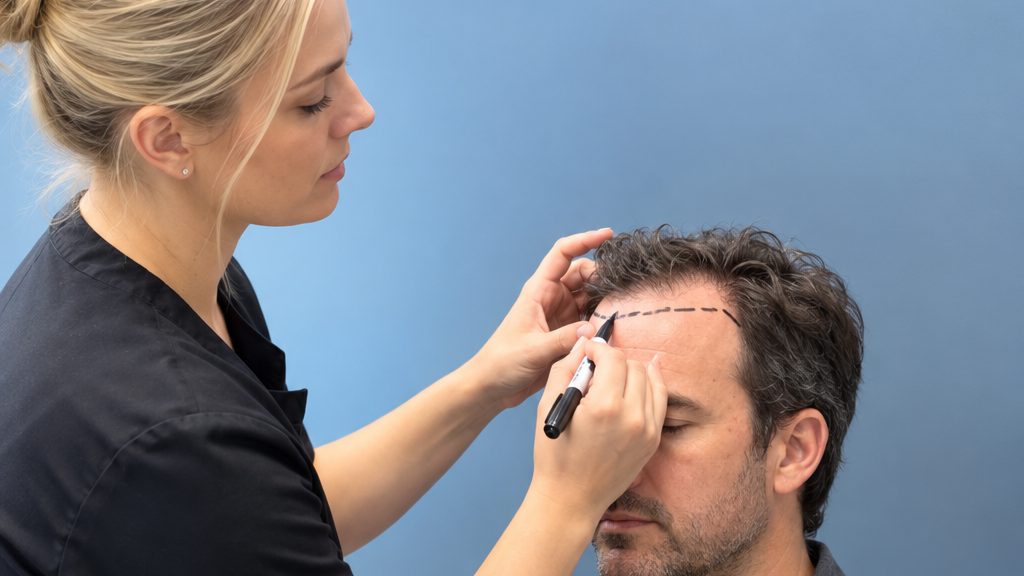
Your front edge is drawn on your scalp while you follow along in a mirror, then refined until the outline feels right to you.
Planned for the Long Term
Placement allows for thinning that may come later, so the result keeps suiting your face many years from now.
Honest Advice, Free of Charge
If the pen would add nothing for your scalp, we say so and explain which method would serve you better.
An Easier Day in the Chair
Local anesthetic, breaks whenever you need one and a private room with music or shows make a long session easier to get through.
Clear Pricing
Typically $3.50 to $8 per graft, with financing at 0% interest for the first 12 months on approved credit.
More About DHI in Kentucky
Knowing how DHI and FUE relate is the key to weighing your options. DHI does not take the place of FUE; it is used inside it. The pen can work well in the right situations, but it is not better or worse across the board. What shapes your result far more is the skill and care of the surgical team, not the instrument. As an example, 1,500 grafts at $4 per graft comes to about $6,000; our hair transplant cost page shows how a quote is put together.
In short: DHI is one way of placing grafts in the last stage of an FUE procedure, using an implanter pen to set follicles into the scalp without opening sites first. It has advantages in some cases and costs in time, complexity and flexibility in others. FUE stays the foundation, and DHI is one of several placement options the team may pick for your scalp. If you are thinking about restoration, look first for a clinic that builds treatment on FUE and can adapt how grafts are placed, DHI included, to what suits you. Book a free assessment at 2950 Terra Crossing Boulevard in Louisville to learn which approach fits you.