
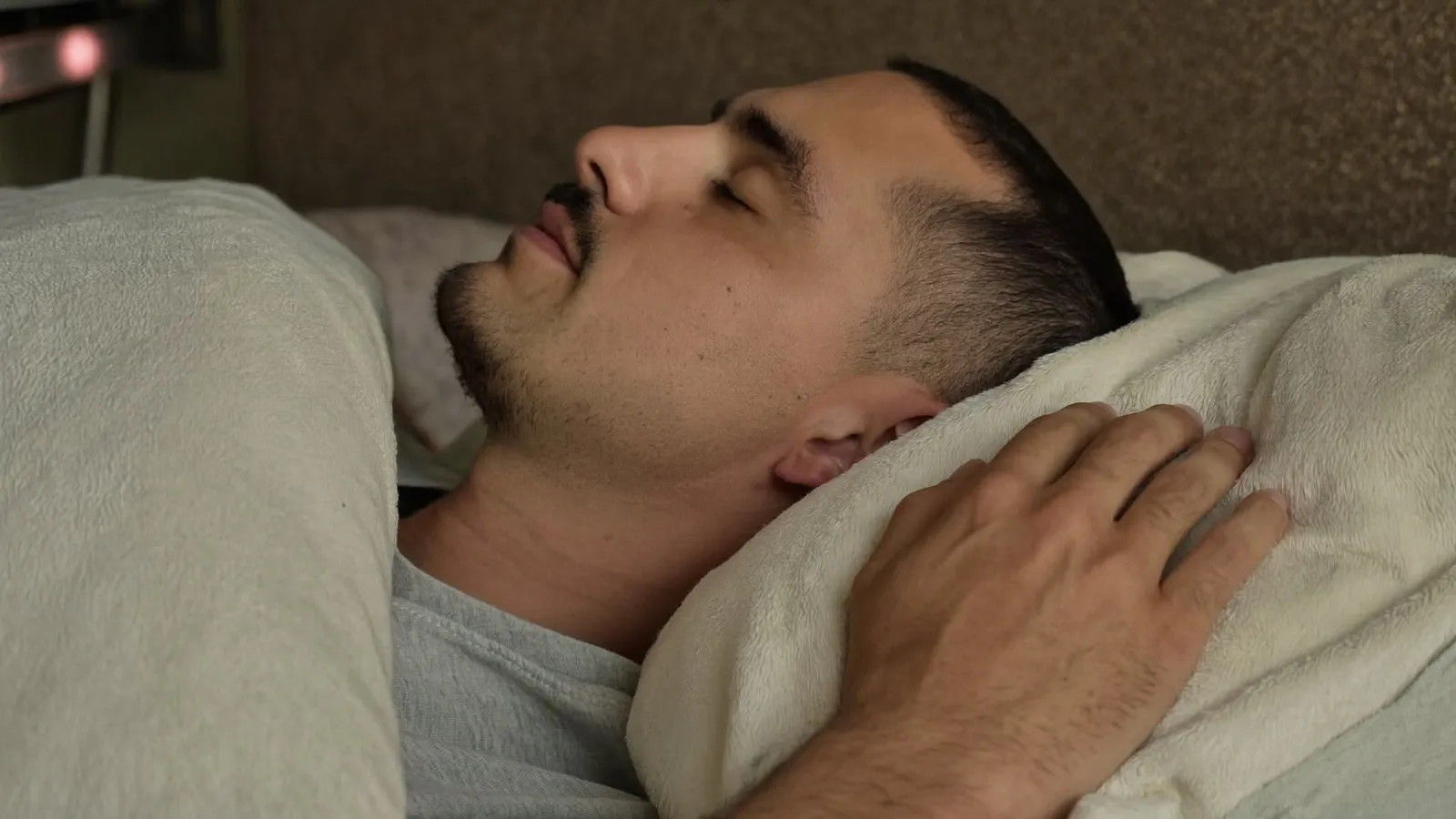
How do you sleep after a hair transplant? The typical guidance is simple: lie on your back with your head raised to roughly a 45-degree angle, and keep that position for the first 7 to 10 nights. That is how to sleep after a hair transplant without pressing, rubbing or knocking the new grafts while they settle. Your own aftercare sheet always comes first, because the plan for your scalp depends on how many grafts were placed and where. This guide sits alongside our wider hair transplant recovery information and focuses on one thing: getting through the nights safely and getting some real rest while you do.
Below you will find why position matters so much in the first week, the practical ways to raise your head, the travel pillow trick many patients rely on, the habits to drop for a while and the point at which you can go back to sleeping however you like.
Quick answer: Back only, head up at about 45 degrees, for roughly 7 to 10 nights. No side or stomach sleeping, nothing tight on your head in bed, and follow the written instructions from your clinic if they differ.
Why Your Sleeping Position Matters in the First Week
For the first several days, newly placed grafts sit in tiny openings in the skin and are held there mainly by the healing process itself. Until the surrounding tissue closes around them, a graft can be dislodged by friction or pressure. During the day you can protect your scalp consciously. At night you cannot, which is why the way you set up your bed matters more than almost any other part of the first week.
There are two separate problems to manage while you sleep:
- Swelling. Fluid naturally gathers in the scalp after surgery. Lying flat lets it pool around the forehead and eyes, and many people notice puffiness on the second to fourth day. Keeping your head higher than your heart lets gravity drain that fluid gradually, so the swelling is usually milder and settles sooner.
- Graft friction. A cotton pillowcase dragging across the recipient area as you turn can catch a graft or loosen a scab before the root is secure. Rolling onto your side or face also puts direct pressure on the top and front of the head, which is exactly where most grafts are placed.
The donor area at the back of the head needs some thought too. It is usually tender for a few days, so lying straight back on a hard surface can be uncomfortable. The setup described below spreads your weight so the back of the neck takes the load instead of the healing donor sites.
A Night-by-Night Guide to Sleeping Position
Every patient heals at a slightly different pace, but the pattern below reflects the guidance most people receive. Treat it as a general map and check it against what your own clinic has written down for you.
| Nights | Position | Elevation | Main goal |
| 1 to 3 | Strictly on your back, travel pillow in place | About 45 degrees | Keep pressure off fresh grafts and limit swelling |
| 4 to 7 | On your back; no turning onto the grafts | About 45 degrees, or as your sheet advises | Let swelling drain down and away from the eyes |
| 7 to 10 | Mostly on your back | Gradually lower if swelling has settled | Protect grafts until your clinic confirms they are secure |
| After about 10 to 14 | Return toward your normal position | Flat or one pillow | Comfortable, gentle sleep while scabs finish shedding |
The first three nights carry the most risk, so put the most effort into them. By the second week most of the hard rules relax, although any lingering tenderness in the donor area may still shape how you lie down.
How to Elevate Your Head the Right Way
A 45-degree angle is steeper than most people expect. Picture sitting about halfway between lying flat and sitting fully upright. A single extra pillow will not get you there, and a soft stack tends to collapse during the night. These are the setups that hold their shape best:
- A foam wedge pillow. A firm wedge gives a steady incline from the lower back to the head, so your whole upper body is raised rather than just your neck. It is the most reliable option and is easy to find before surgery.
- A recliner. Many patients spend the first two or three nights in a reclining chair set partway back. It keeps the angle fixed and makes rolling onto your side much harder.
- Firm pillows built into a ramp. If you use regular pillows, start low on your back and build upward, so your shoulders and upper back are supported too. Propping only the head bends the neck forward and leaves you sore by morning.
- An adjustable bed base. If you already have one, raise the head section to a comfortable incline and leave it there for the week.
Whichever you choose, put a rolled towel or a firm cushion under your knees. It stops you sliding down the bed during the night, which otherwise lowers your head and pushes your scalp into the pillow behind you. A pillow on each side of your body also makes it harder to turn over without waking.
The Travel Pillow Technique
An inflatable or memory-foam U-shaped travel pillow, the kind sold for long flights, is one of the most useful things you can buy before your procedure. Worn around the neck with the open end facing forward, it cradles the back of the neck and lifts the back of the head slightly away from the pillow underneath. That keeps the crown off the bedding and takes pressure away from a tender donor area.
A few details make it work better:
- Choose a firm pillow rather than a very soft one, so it does not flatten by the early hours.
- Adjust it so the support sits under the base of your skull and the top of your neck, not under the grafted area.
- If you had grafts placed in the crown, check your aftercare sheet: some clinics suggest a particular angle so the crown stays free of contact.
- Practice for a night or two before surgery, so the position already feels familiar when it matters.
The travel pillow also acts as a gentle brake on turning. If your head starts to roll sideways, the raised edge tends to stop it before your scalp meets the mattress, and you will often wake up enough to straighten out.
Preparing Your Bedroom Before Surgery Day
Most patients from Louisville and around Kentucky go home on the evening of their procedure, tired and ready for bed. Setting everything up in advance means you are not hunting for pillows that night. A short checklist helps:
- Old, dark pillowcases or a towel. A little seepage from the grafted and donor sites is common during the first night or two. Cover your pillow with a clean towel or a pillowcase you do not mind staining.
- Clean bedding. Fresh pillowcases help keep bacteria away from healing skin, so change them every few days during the first two weeks.
- Everything within reach. Keep water, your aftercare sheet, any spray or products your clinic gave you, and your phone on a nightstand, so you can reach them without twisting or bending forward.
- A comfortable room temperature. Kentucky summers are humid and winters bring dry indoor heat. A cool, slightly humid room helps you sleep well and stops the scalp from feeling tight and itchy.
- A plan for pets and partners. A dog or cat that likes to settle by your head, or a partner who sleeps close, can bump the grafts without meaning to. Many people sleep alone or in a separate room for the first few nights.
Our guide to wearing a hat after a hair transplant covers the drive home from the clinic and how to keep your head covered safely, which makes a useful companion to this one.
What to Avoid at Night
Most damage to grafts at night comes from habits rather than accidents. These are the things to put on hold for the first week or so:
- Side and stomach sleeping. Both press the top or front of your head straight into the pillow. If you are a natural side sleeper, the wedge, the travel pillow and the pillows along your sides all help.
- Hats, beanies or headbands in bed. Anything snug on the scalp rubs against the grafts every time you move. Leave your head uncovered at night unless your clinic tells you otherwise.
- Scratching in your sleep. Itching tends to start as the scalp heals. Keep your nails short, and ask your clinic about ways to ease it, since scratching half-asleep is a common cause of loosened scabs.
- Alcohol before bed. It can increase swelling and bleeding in the first days and tends to make sleep restless, which means more tossing and turning.
- Very salty late meals. Salt encourages the body to hold onto fluid, which can add to facial puffiness the next morning.
- Starting new sleep aids without advice. If you are struggling to rest, ask your doctor what is appropriate rather than taking something new on your own.
Easing Discomfort and Getting Real Rest
Sleeping in an unfamiliar position for a week can feel awkward, and some patients find the first night is broken into short stretches. That is normal, and it usually improves quickly once your body adjusts to the incline. A few simple habits make a difference:
- Keep a steady bedtime and wind down without screens for a while beforehand, so you fall asleep more easily in the new position.
- Take any medication you were given only as directed, and ask your doctor before adding anything else.
- If your forehead feels swollen, a cool pack held on the forehead only, never on the grafts, can be soothing before bed.
- Use the saline spray or other products from your clinic exactly as instructed, since a calm, moist scalp tends to itch less at night.
- Rest during the day if the nights are short. A nap in a recliner counts, as long as the same elevation rules apply.
Good rest is part of healing, not a reward for finishing it. Sleep supports the repair work going on in the scalp, so it is worth protecting even if that means going to bed earlier than usual for a week.
What If You Roll Over in Your Sleep?
Almost everyone worries about this, and many people do wake up partly turned at some point. In most cases there is no harm done. Sit up slowly, look at the pillowcase and check your scalp in a mirror, using a hand mirror for the back.
A small spot of blood or a scab on the pillow is common and usually means nothing more than a little surface irritation. Gently follow your normal aftercare routine and return to your back. Our article on normal healing signs explains what redness, itching and scabbing usually look like day by day.
Call your clinic if you see steady bleeding that does not stop with light pressure from clean gauze, a graft that appears to have come out with its root attached, or if you are simply unsure. A quick photo sent to the team is often enough to settle the question.
When Can You Sleep Normally Again?
For most people, the strict rules ease after about 7 to 10 nights. By then the grafts are usually well anchored, swelling has faded and the small crusts around each graft are loosening. Many patients lower the incline gradually over a few nights rather than going flat in one step.
Side sleeping is usually fine once your clinic confirms the grafts are secure, often somewhere around the end of the second week. Even then, start on the side that puts the least pressure on the recipient area, and keep pillowcases clean until the scabs have gone. Stomach sleeping is usually the last position to return, simply because it presses the front of the head and hairline into the pillow.
If you also had a large donor area harvested, tenderness at the back of the head may linger for a little longer. That is a comfort issue rather than a risk to the grafts, and it generally fades on its own. Our day-by-day aftercare guide shows how sleeping fits around washing, scab care and returning to work over the same period.
How Our FUE Protocol Shapes Your First Nights
Comfortable recovery starts in the procedure room. Under our FUE Protocol, grafts are handled gently and placed at the natural angle of growth, which helps the scalp settle calmly in the days that follow. Every treatment plan is overseen by Dr. Alexander Digenis, and the clinical team carries out each stage under that direction.
Before you leave our Louisville clinic, you receive written instructions that cover sleeping position, how long to keep your head elevated and when to change it, along with direct contact details for the team. Patients are encouraged to ask about their own sleep setup at the consultation, especially if they have back or neck problems or usually sleep on their side, so a practical plan is in place before surgery day.
Key Takeaways
- Sleep on your back with your head raised to about 45 degrees for the first 7 to 10 nights, or as your aftercare sheet says.
- Elevation reduces swelling; staying on your back prevents friction and pressure on new grafts.
- A wedge pillow or recliner holds the angle best, and a U-shaped travel pillow keeps the crown and donor area off the bedding.
- Avoid side and stomach sleeping, hats in bed, scratching and alcohol during the first week.
- Most people return to normal sleeping positions around the second week, once the clinic confirms the grafts are secure.
Frequently Asked Questions
Plan a Comfortable Recovery
Knowing how to sleep after a hair transplant is one small part of a recovery plan that should be clear before you book. At a free consultation in Louisville, our team will talk through your goals, explain what each stage of healing looks like and answer practical questions about your first nights at home.
Already scheduled, or still deciding? Recovery questions? Contact us and the team will help you plan ahead.